
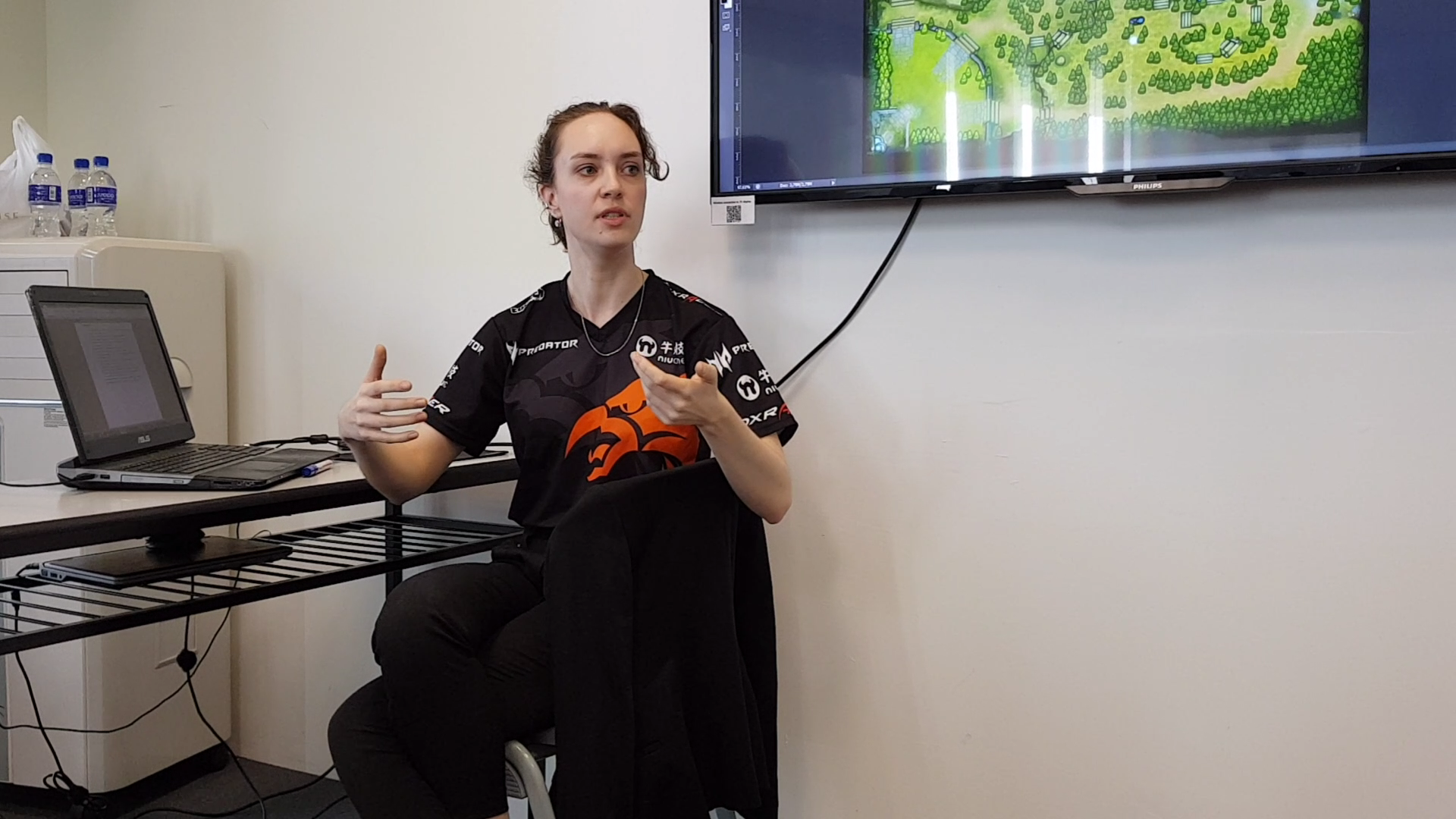
An amazing workshop by Muriëlle “Kips” Huisman last Saturday gave 30 lucky Singaporean Dota 2 players a glimpse into the professional Dota 2 scene. This is our exclusive report as an attendee.
Trust, communication and confidence. These 3 elements were constantly emphasized throughout the 2-hour workshop by TNC coach analyst Kipsul as she shared extensively about how she helped the teams she’s worked with to achieve their international wins.
Throughout the workshop, Kipsul held herself with a level of certainty and poise that showed confidence in her own ability to provide useful strategic insights for Dota 2. Her own reflection on her time as an analyst on Fnatic reveals why she acts this way:
“When Fnatic went up against DC in TI6 … I was sure [at the time] I missed something about DC … My uncertainty affected the team, and you could see it when they played those games”.
Far from blaming herself and drowning in self-pity, she quickly picked herself up once she recognised her mistake. Fnatic had just finished 4th at the largest Dota 2 tournament of 2016 (The International 2016), with Kips having a clear share of the glory.
Playing Dota 2 on the highest level: Strategy
You have to own your mistakes if you want to own your wins, she shares, emphasising that each player has a responsibility to own up to their errors actively rather than waiting for the blame to fall upon them.
This mindfulness keeps the trust strong in the team, giving more psychological space for the team to keep track of higher order thinking in Dota 2 – the strategy.
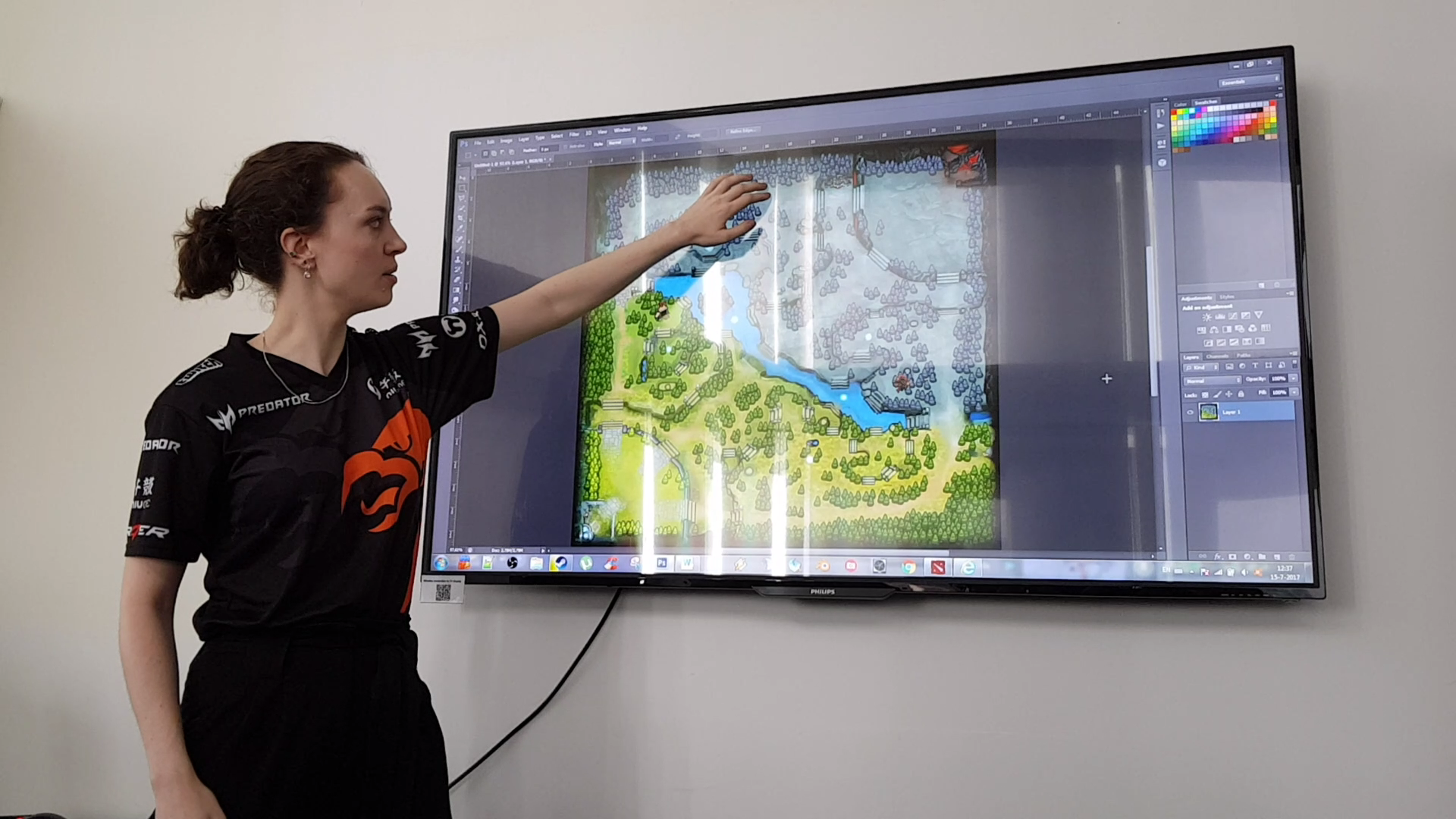
[Caption: Kips discussing micro mistakes with a TNC TI 2017 Qualifier replay / Credit: Freakofnatur]
Simply put, if you’re constantly focused on the micro errors, you’ll never have the time to correct the macro mistakes. Kips showed us several clips about obvious misplays from her team, emphasizing that mistakes happen, and that harping on the mistake or even bringing up the mistake to the teammate is utterly unnecessary. “You’re an asshole [if you do so]”, even.
This speaks of the level of trust and respect she has for the player’s mechanical skill when it comes to the game – there’s no need to correct obvious errors; instead just trusting the player to correct themselves. Knowing is half the battle, she acknowledges. Real change must happen and the mistake must not repeat itself.
Her ability to look past micro errors has also earned the respect from her own team – Kips is nowhere near as skilled at Dota 2 as the players she works with – but they value and believe in her stats and strategy all the same. This is echoed in her anecdote about Fnatic, as their trust in her strategy became a lack of confidence once she had showed her own uncertainty.
Understanding the game as a Team
Kips recalled a scenario in which TNC’s midlaner insisted on defending a tower when the team was already pushing another lane. The net result? The midlaner died, and TNC lost their advantage.
“Agree to disagree if you have to. Don’t just accept things”. Kips advised. The midlaner’s decision stemmed from his thinking that you should not trade towers with the opponent when your team is at an advantage.
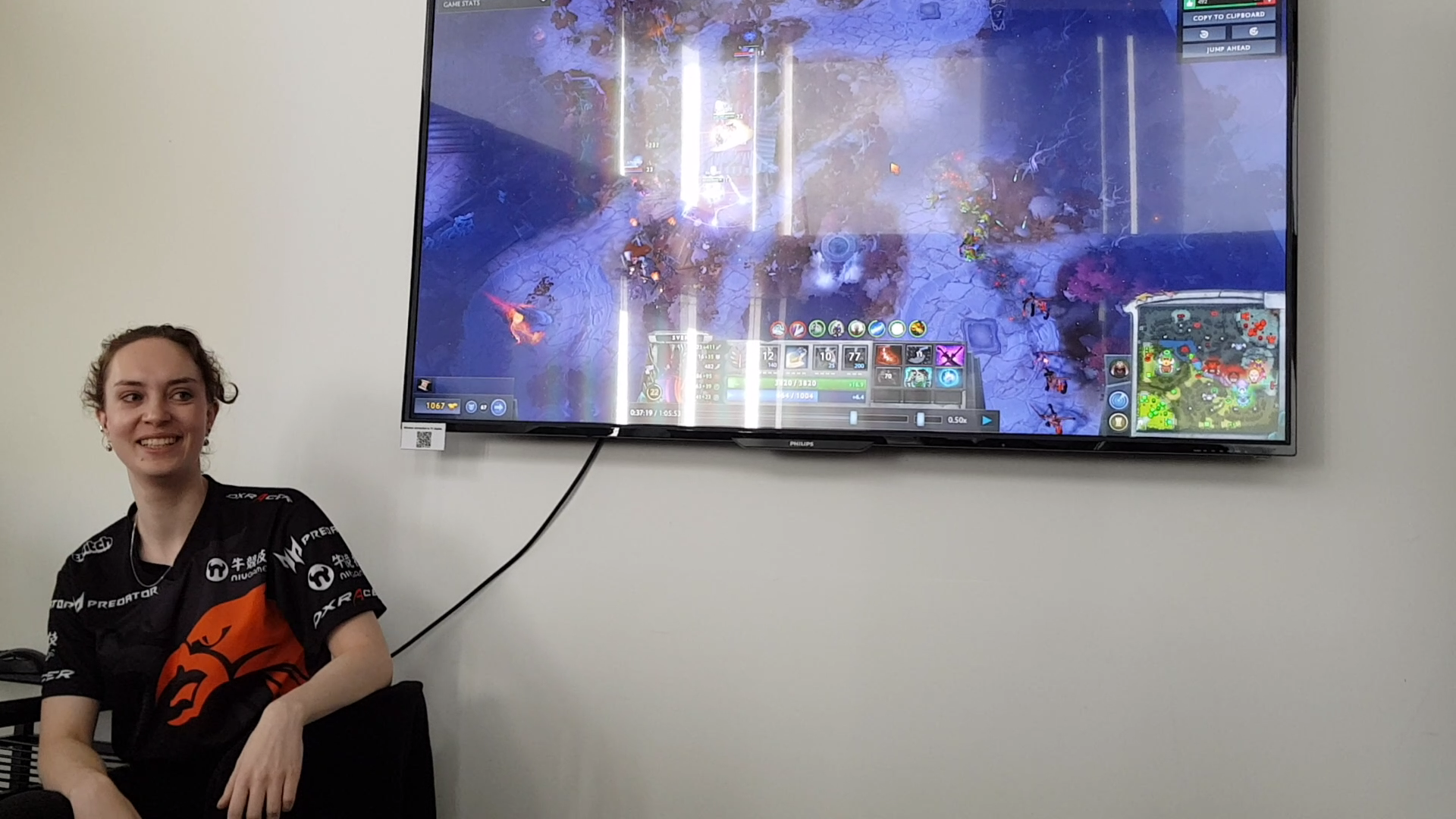
[Caption: Kips discussing how a team’s playstyle manifests / Credit: Freakofnatur]
If at any time the team is not on the same page with what to do, the team’s game plan might just crumble. In fact, as Kips shared more and more about the incident, we learnt that there is no “right way” to play the game, but rather only how your teammates (and by extension the team) want to play the game.
Team synergy is extremely important for Dota 2 teams. It’s no secret that a team that communicates well, that has teammates that trust each other, and has full confidence in their gameplan will be a top contender.
We saw this when Wings Gaming took the centre stage throughout most of 2016. Their team was a shining example – 5 close friends who stuck close together against all odds. Maintaining this synergy is tough work, Kips reveals, as the balance is fragile.
A strong leader like Theeban ‘1437’ Siva, for example, will point out mistakes in a constructive manner, minimising any feelings of resentment from the player being singled out.
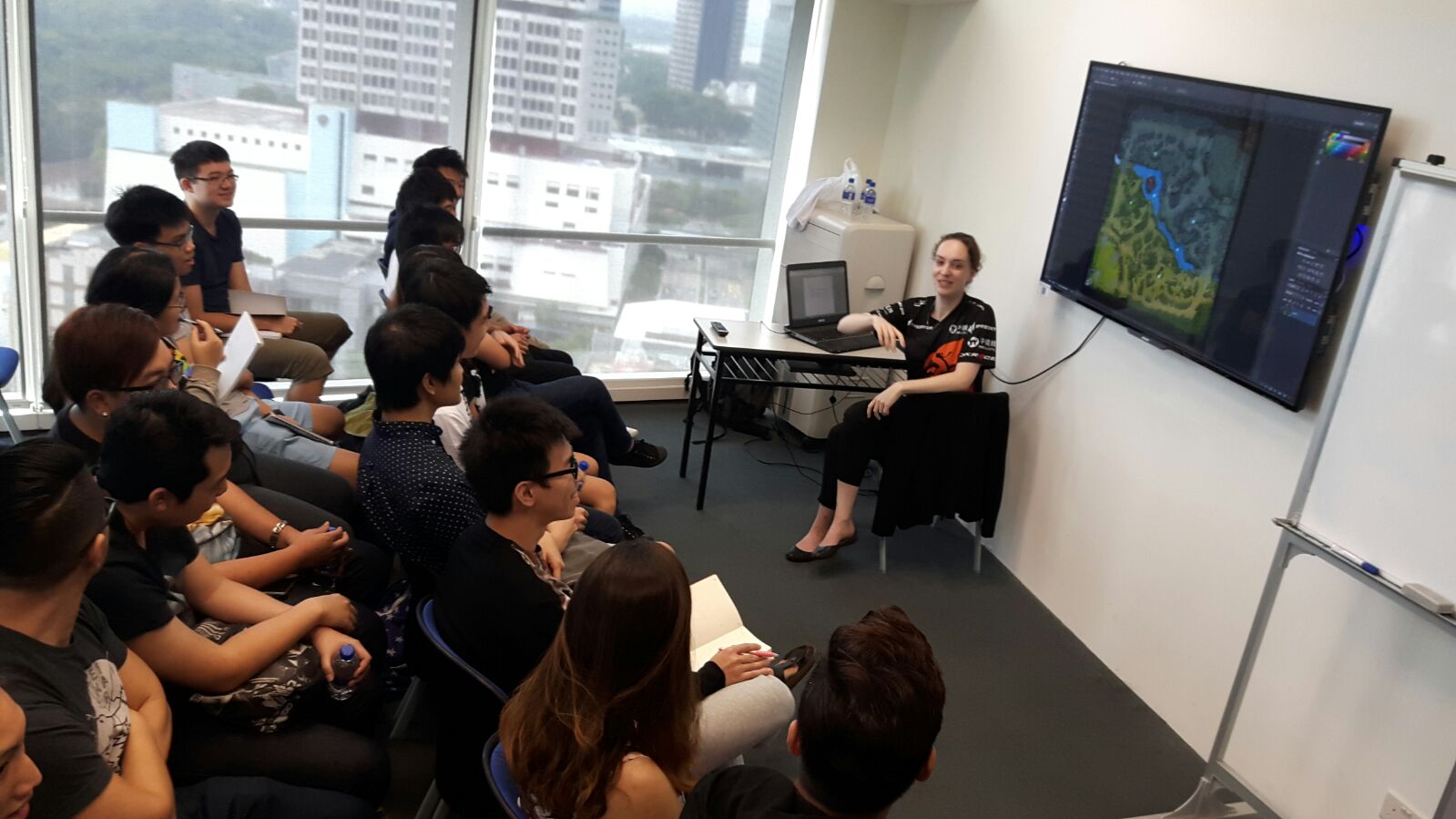
[Caption: Kips walking through decision making 101 between teammates. / Credit: Freakofnatur]
Balancing the relationship aspect between teammates is then the responsibility of the captain. As a coach, Kips can only advise the captain if a certain teammate is exhibiting problematic behaviour, leaving the captain to solve the issue.
This approach makes perfect sense: the 5 players are the people who are working together during the game – this means that they will have to accommodate each other in the game.
Having the same mindset towards the game will allow the team to work together as a unit – minimising situations where the team is clearly split between trying to complete two separate objectives and failing both.
Dealing with mistakes like a Pro
Surprisingly, pros deal with their micro mistakes with nonchalance. In a game as complex as Dota 2, mistakes are bound to happen, especially if unforeseen circumstances arise. Kips recalls many instances where victory was all but assured – only to be lost through a huge counter-play by the enemy team.
This is part and parcel of the game. Variance, in multiple forms, is built into Dota 2’s mechanics. Things like % chance to bash, rune spawns and even creep gold bounty all contribute to making each game unique through variance.
Move on from the small things, and concentrate on the big picture. Kips credits many comebacks to the loss of higher level thinking by the team who originally had an overwhelming advantage.
Picture this: after a big play by the opposing team, the receiving team would obsess over their micro mistakes and thus being unable to refocus on executing their high level strategy. The result? No more plan, no more confidence, no more victory.
This applies to many things too – small mistakes happen, just move on quickly and focus on the bigger picture – and if you’re unable to see the bigger picture, try to create an end goal to work towards!
Say hi to me over at https://www.facebook.com/Freakofnatur!
Love our articles? Want to talk about it? Come on over our community page today!
https://www.facebook.com/groups/SPOUT360.Dota2
Originally published on Spout360 (site now offline).