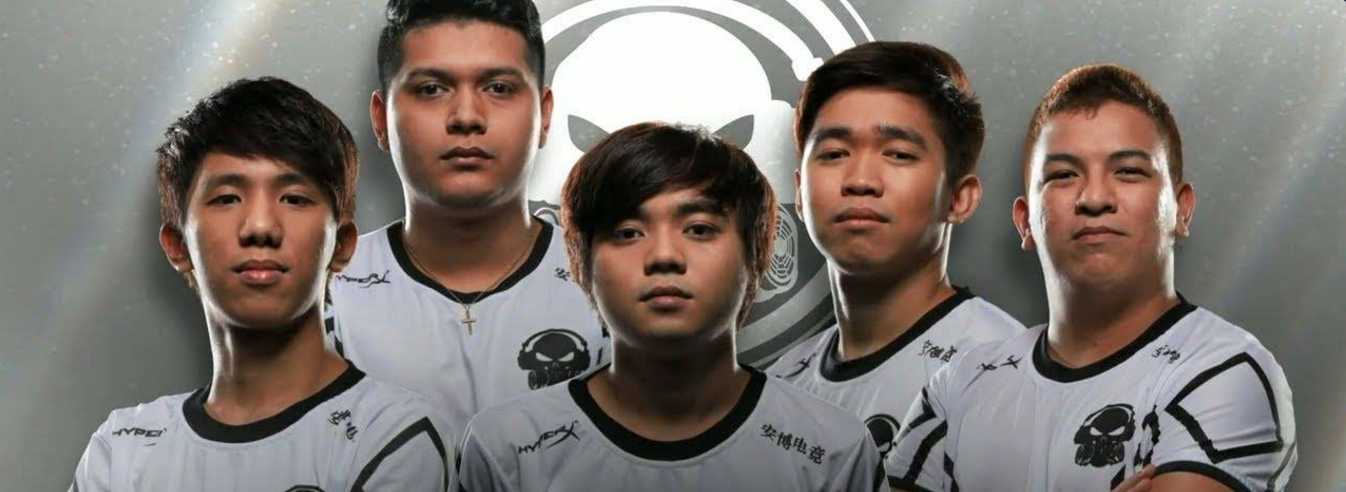
The prodigal son has returned. After playing in Clutch Gamers for the previous Dota 2 year, Gabbi has come back to play in Execration alongside James “James” John, Jay “Raging_potato” Qui, Kimuel “LeumiK” Rodis and Ralph “RR” Penano.
With Clutch Gamers, Gabbi qualified for Summit 7, EPICENTER 2017, The Manila Masters and Mars Dota 2 League 2017. His most notable play of last season occurred when he was still in Execration, immortalised by ODpixel:
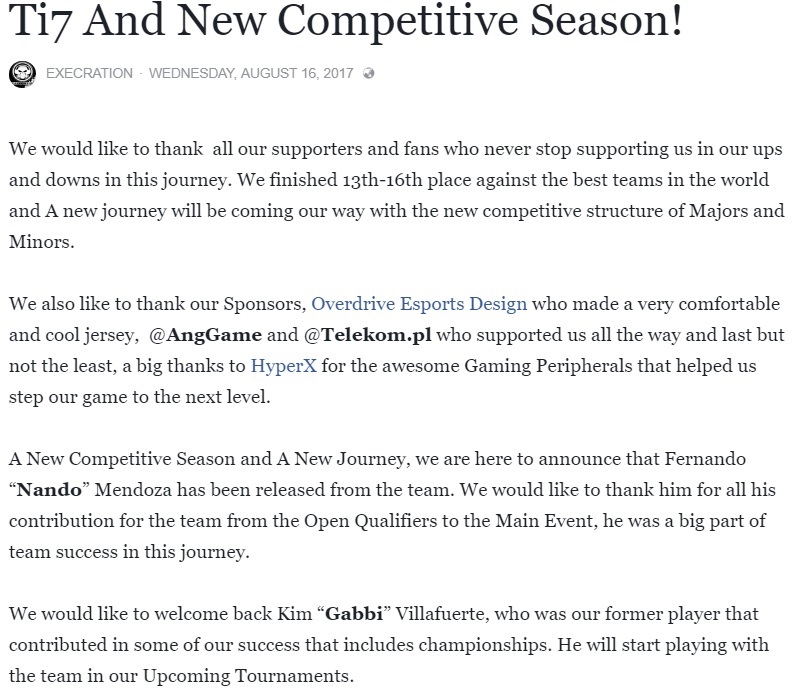
The team posted a message to their fans on their facebook page which can be seen below:
Execration Lineup:
Kim “Gabbi” Villafuerte
James “James” John
Jay “Raging Potato” Qui
Kimuel “LeumiK” Rodis
Ralph “RR” Penano
Originally published on Spout360 (site now offline).
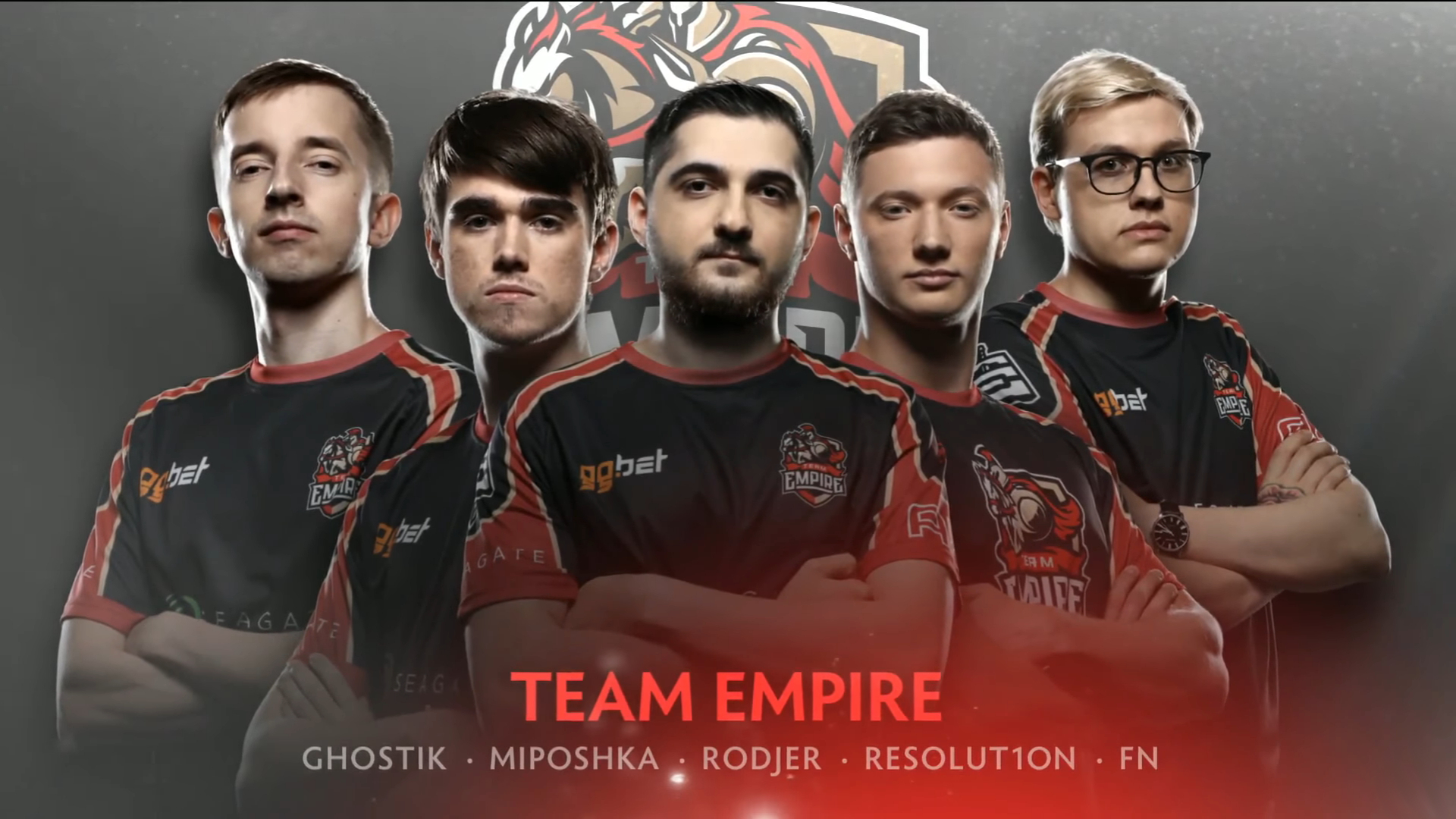
[Caption: (L to R) Andrey ‘Ghostik’ Kadyk, Yaroslav ‘Miposhka’ Naidenov, Vladimir ‘RodjER’ Nikogosyan, Roman ‘Resolut1on’ Fominok and Rostislav ‘fn’ Lozovoi/ Credit: Valve Software]
Empire’s path towards TI7 was a rough one. For the entire 2017, the team only had sporadic appearances on the Dota 2 pro scene.
Despite having a relatively strong performance at TI 2015, the 2016 – 2017 season was rough for them as they went through multiple roster shuffles to find a team that fit together well again.
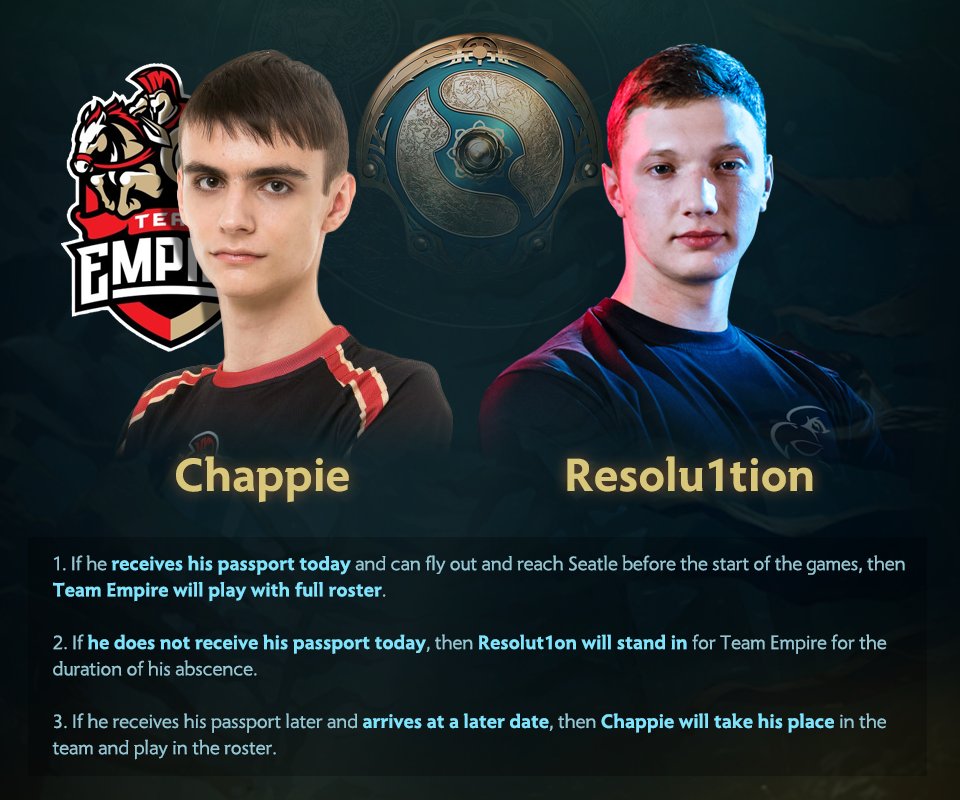
This year’s International looked grim for Empire as their carry player, Chappie, had his passport misplaced by the embassy which he was applying a visa with. He got the visa, but they never found his passport again.
[Caption: (L to R) Dota 2’s community manager Wykrhm explaining the Chappie passport situation. /Credit: Wykrhm Reddy Twitter]
The team scrambled to look for a replacement. Thankfully, Roman ‘Resolut1on’ Fominok, who carried Digital Chaos (DC) to 2nd place in TI2016, was ready and available. Prior to Resolut1on’s stint in Digital Chaos, he had played in Team Empire from 2013 to 2016, a total of 2 years and 3 months.
However, Resolut1on had barely played with the current roster of Empire. With a stand in playing one of the most important roles on the team, Empire faced the most important competition of the year head-on.
In the main event, the team looked like – and played like – they had absolutely nothing to lose, reminiscent of DC’s 2016 run. The team seems to have settled into a game plan that works for them – give Reso a hero which he can carry the game with, and enable him to get the necessary farm to do it.
They beat Cloud9, and they’ve beaten home favourites Evil Geniuses with this formula. The now face a potential top 3 finisher in Team Liquid, a favourite to win the entire competition.
Although Chappie’s situation is tragic, Empire’s chances are very real. With him or not, the underdog team is dreaming big and with a bit of luck, they might just make the 4 series wins to make it to Top 3 at The International.
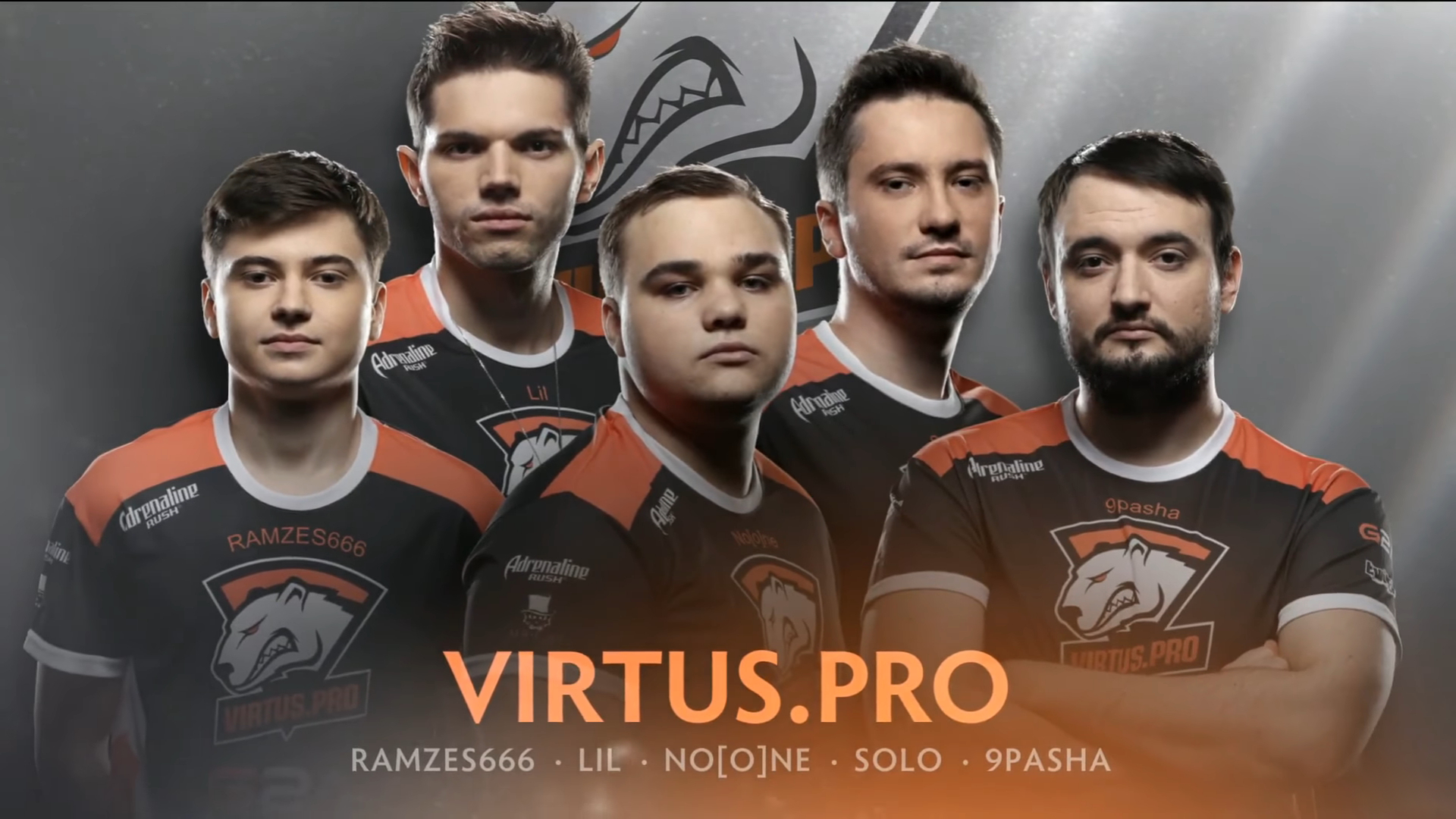
[Caption: (L to R) Roman ‘Ramzes666’ Kushnarev, Ilya ‘Lil’ Ilyuk, Volodymyr ‘No[o]ne’ Mineko and Alexi ‘Solo’ Berezin and Pavel ‘9pasha’ Khvastunov / Credit: Valve Software]
A lesser known rivalry in Dota 2 is Virtus.Pro against team OG. In the Frankfurt Major, VP’s relatively dominant run was cut short by the eventual winners OG. They managed to take revenge at The Summit 6, but fell once again at the Kiev Major – a tough game 5 loss which involved a OG comeback.
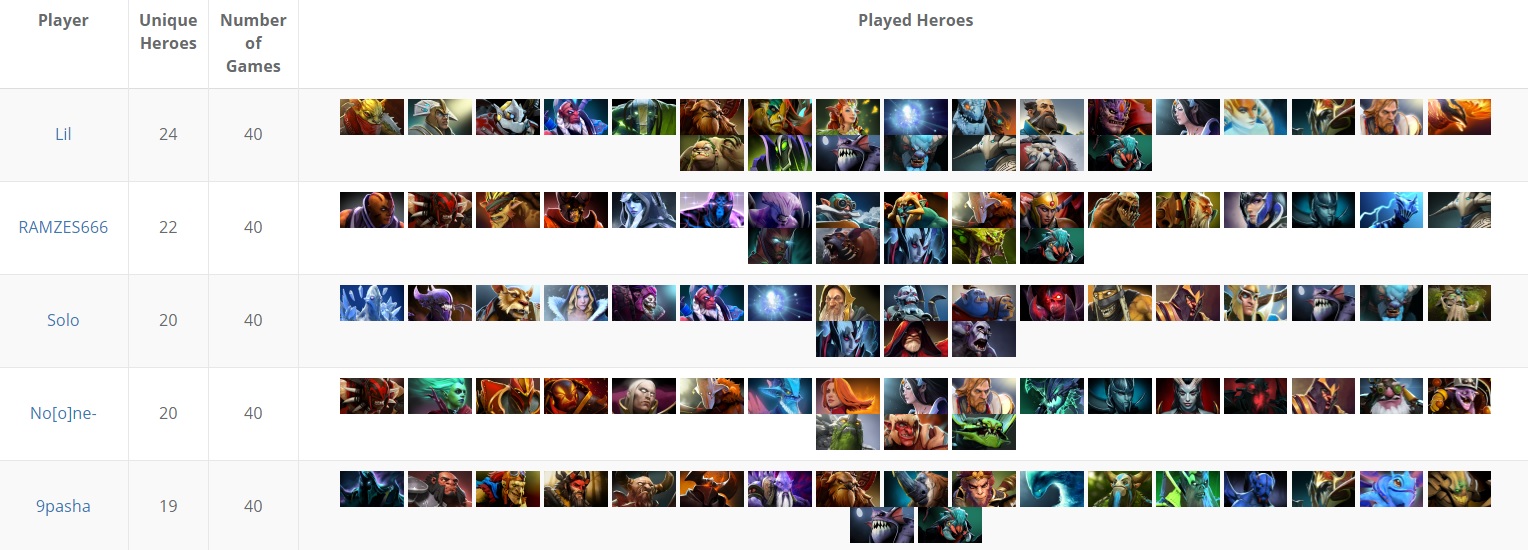
This year, VP embodies the spirit of Wings Gaming in their sheer versatility and confident, aggressive gameplay. At The Summit 7, VP played 81 unique heroes across 17 matches – with the 4 repeat picks played on different positions.
[Caption: VP showed their versatility at The Summit 7, utterly rolling over the competition in spite of their self-imposed restriction. /Credit: Datdota]
During the group stages, VP demonstrated their versatility once again, proving that they are not just a mid game team by winning several 40+ minute games. However, mid game pushing lineups are still favoured by them, and it seems that such strategies are paying off great dividend for the teams that play them.
While it might be a gross simplification to see VP as a team who races against the clock to win, it encapsulates the fast pace in which VP plays the game – but they seemed to have learnt from their close defeat at Kiev Major and close victory at The Summit 7.
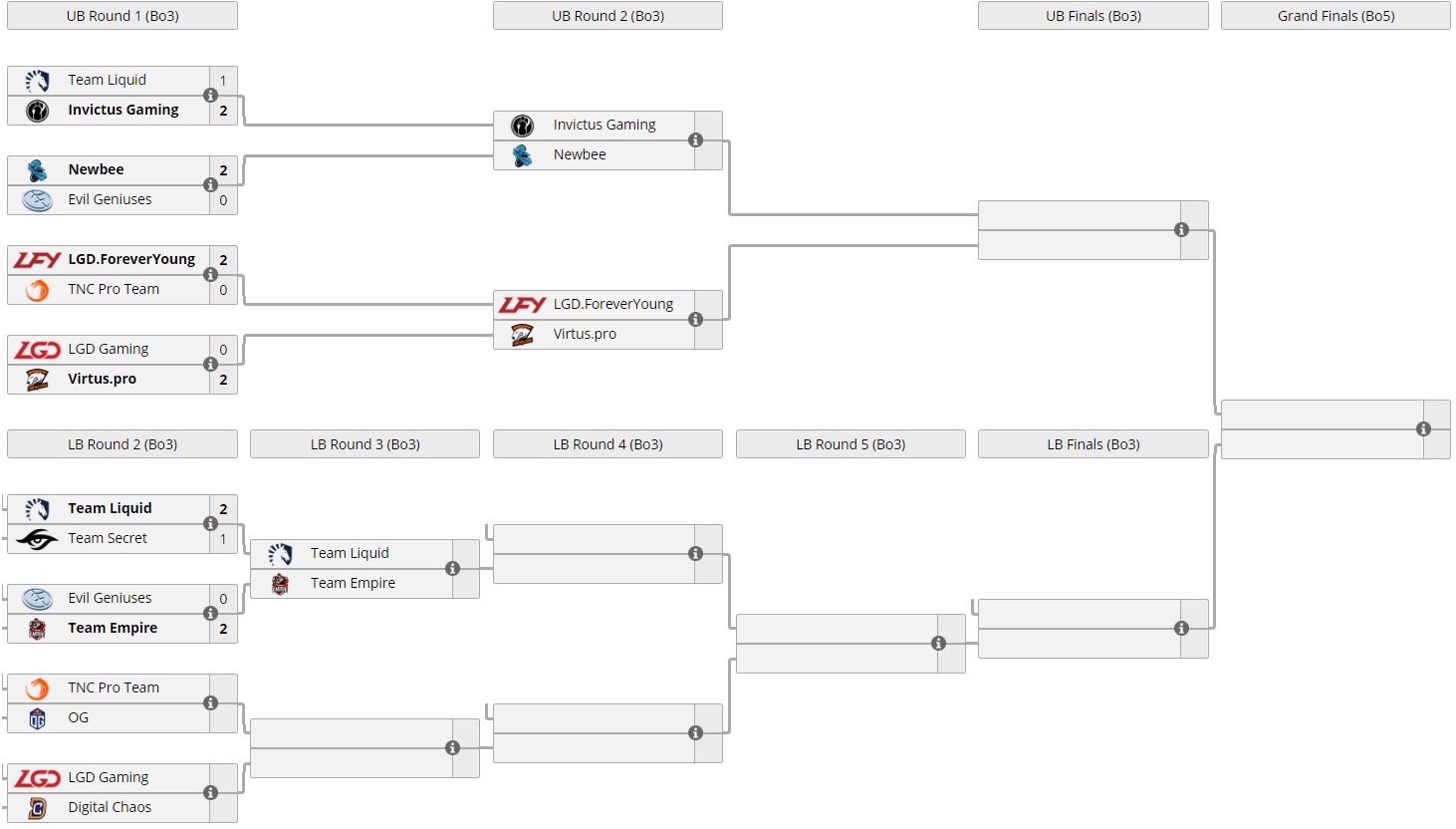
Today’s VP has all the makings of a tier 1 team, and we expect their upper bracket run to reach all the way into the Grand Finals this year. LFY will be their real test – VP’s china equivalent. While star will crash and burn? We expect the more experienced VP to show LFY up and we’ll be watching their matches closely.
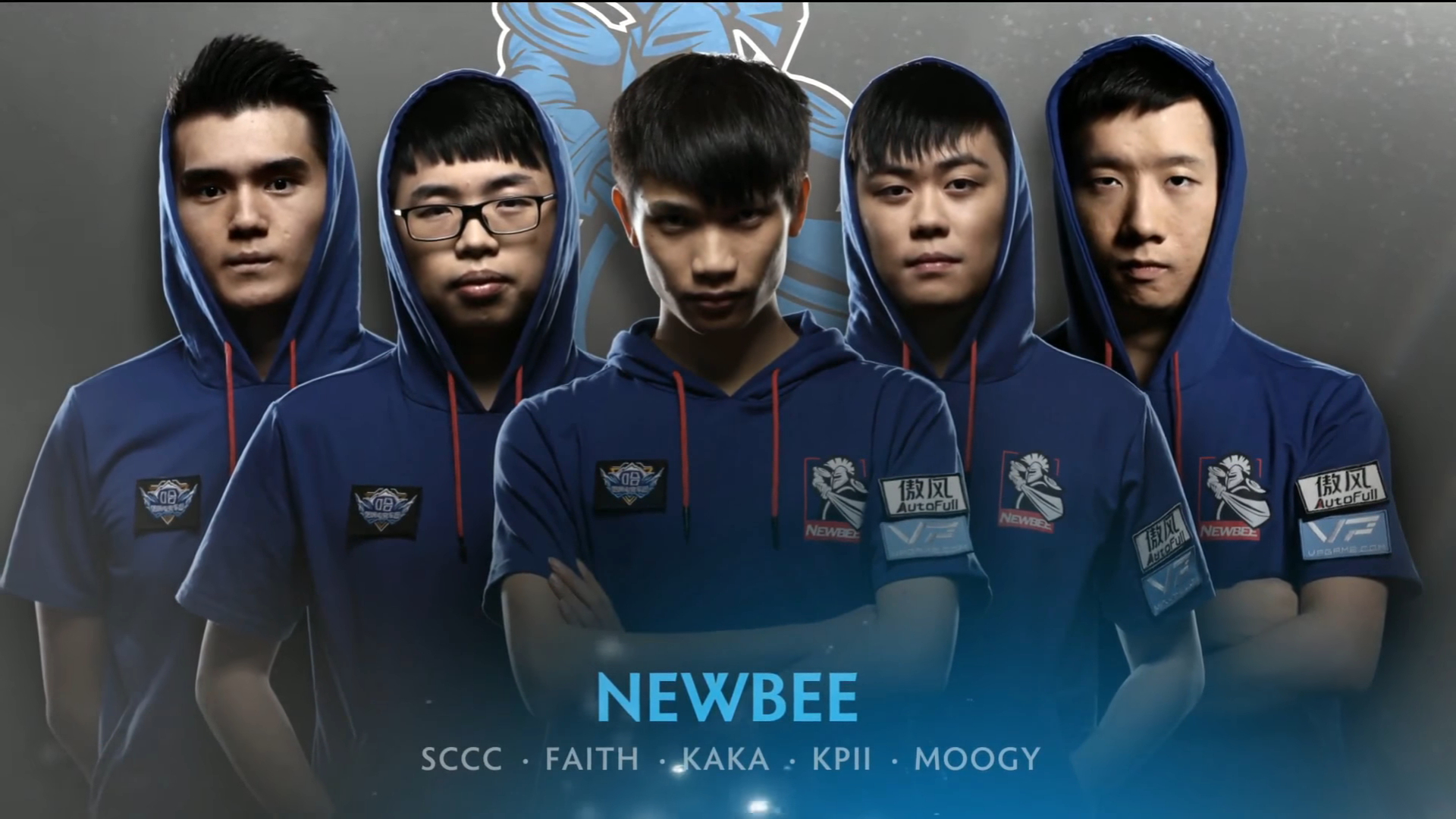
[Caption: (L to R) Song ‘Sccc’ Chun, Zeng ‘Faith’ Hongda, Hu ‘Kaka’ Liangzhi, Damien ‘kpii’ Chok and Xu ‘Moogy’ Han/ Credit: Valve Software]
There has never been a TI as close as this years’. iG, OG, Newbee, LFY, Virtus.Pro and Team Liquid all enter this tournament as favourites to win it all – each team with their own pedigree to show for it.
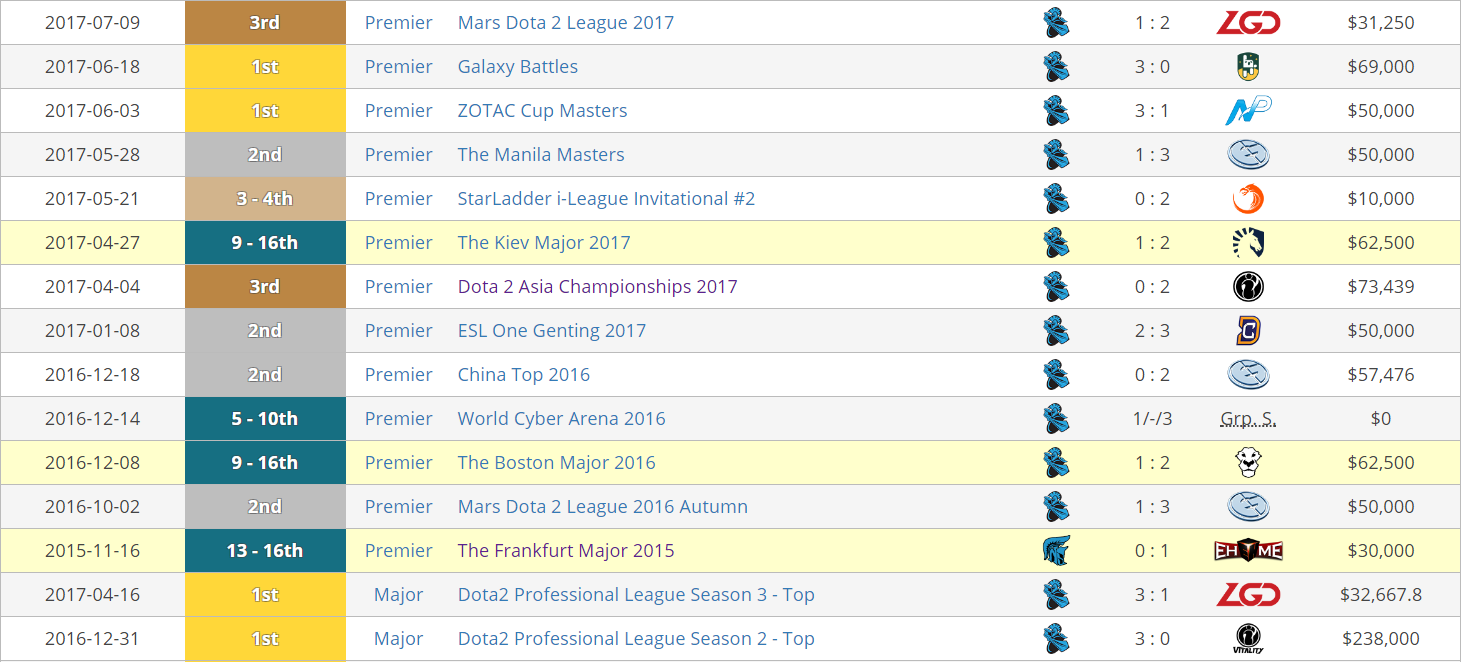
We picked Newbee because of their dominance in the Chinese scene from the later part of 2016 to 2017. At International events, they were always amongst the top 4 in the months leading up to TI 2017.
[Caption: Newbee’s consistent international performance leading up to TI 2017 netted them an invite. /Credit: Liquidpedia]
Newbee comes in with the hopes that they can continue their streak of placing top 3 in international competitions. The way they play Dota is quintessentially Chinese – conservative while maximising all the opportunities presented.
Newbee picks heroes constantly that play up this gameplay mindset – Legion Commander, Lich and Bounty Hunter – demonstrating their confidence in their playstyle. This is the confidence that they’ll need to push past the remaining upper bracket teams.
Of the 4 upper bracket teams, 3 of them are Chinese teams. This means that on paper, Newbee has the best chance to get to the upper bracket finals as they are considered one of the best teams in the Chinese scene.
[Caption: Newbee only need 2 more wins to reach the Grand finals – no mean feat given how close the teams are. / Credit: Liquidpedia]
Compared to VP and Empire, Newbee comes in with the expectation that they could go all the way – how they deal with that pressure will determine whether they will be able to become champions this year.
Say hi or send me news tips over on facebook or twitter!
Originally published on Spout360 (site now offline).
If there was ever a storyline that every Southeast asian Dota 2 fan would have been talking about this year, TNC’s journey been the one.
The Filipino team kicked off the group stages against Evil Geniuses. For Theeban ‘1437’ Siva, TNC’s captain, this was his opportunity to prove himself as a captain against America’s best.
Game 1 set the tone for the series. TNC got off to an excellent start, going up to eight kills against EG’s three at 8 minutes. However, from the draft it was evident that TNC lacked any substantial teamfight.
Against EG’s Puck and Faceless Void, TNC could only hope that they were able to pick either one of these heroes off with their Batrider before the teamfight started.
However, EG managed to keep TNC’s advantage low despite giving up several early game kills. In the mid game, EG’s teamfight superiority allowed them to gain a substantial lead, winning the game as a result.
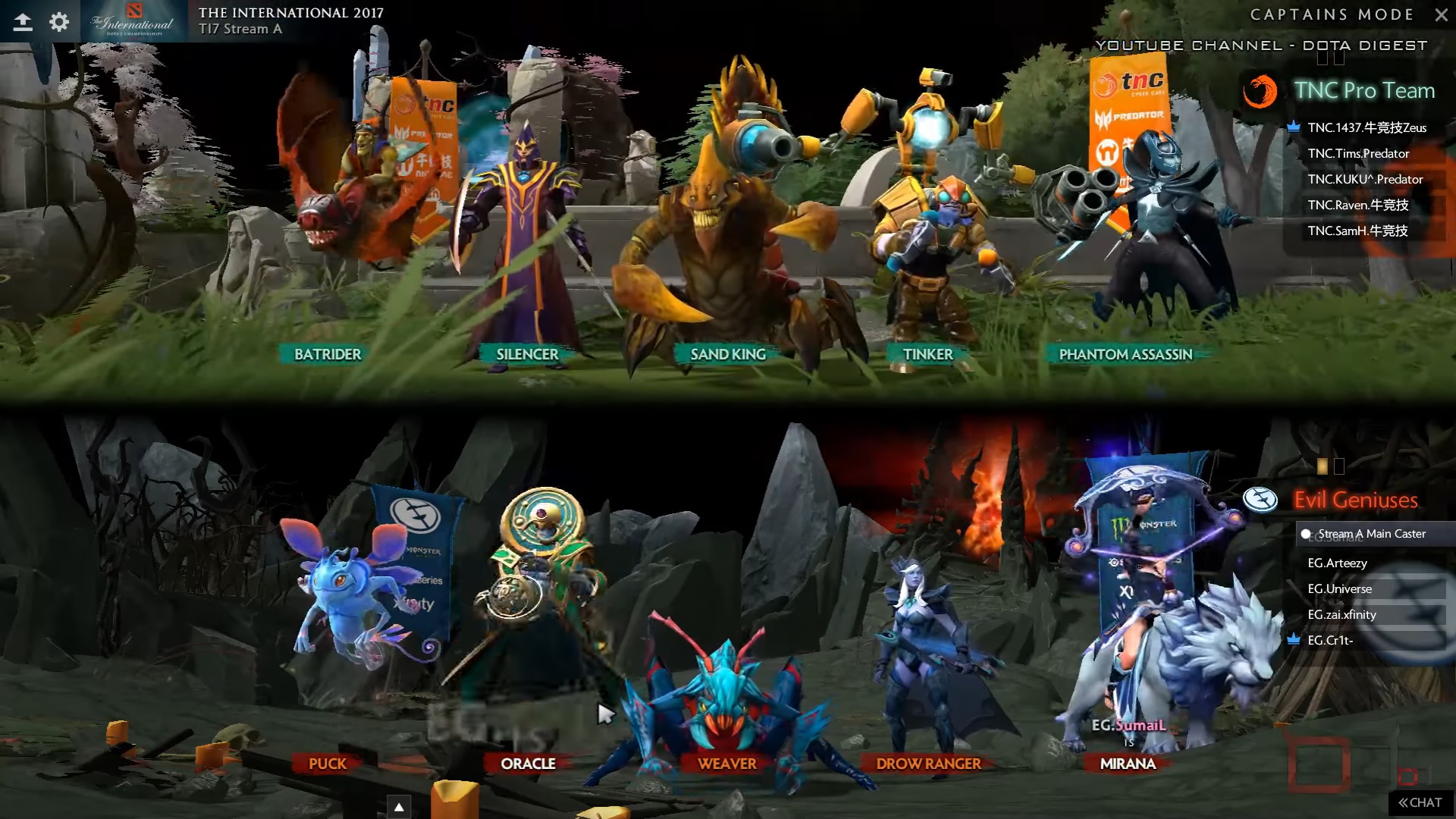
Game 2 was where 1437 redeemed himself, with TNC’s Carlo ‘Kuku’ Palad spearheading this comeback. 1437 first navigated EG’s draft trap of first pick Puck and Oracle masterfully by playing directly into the hard counters for what the two heroes did.
[Caption: Game 2’s draft was far more teamfight centric, which allowed TNC to outclass EG / Credit: Dota Digest]
Batrider, as one of the best intitators in the game, allowed TNC to play the game faster and take the pace away from EG. Silencer ensured perfect initiations against Oracle and Weaver – a typical Chinese Dota 2 strategy – but 1437’s Silencer had another use.
Silencer allowed TNC to play faster than their enemies – his ultimate effectively delaying the enemy team’s damage output by making them unable to cast spells at the start of teamfights.
This forced EG to play by TNC’s pace even in teamfights, solving game 1’s draft weakness. This adjustment allowed TNC to snowball their early game advantage into a win, eventually securing TNC’s upper bracket position in the main event.
2. OG vs Cloud 9
In what would be a relatively close series, OG vs Cloud 9 could be said to be the clash of two ideals. While OG tends towards playing the game how their captain sees it, Cloud 9 is a team where each member tries to win the game in their own way.
While OG enjoys clarity of purpose, Cloud 9 lends itself greatly to unpredictability.
In this clash, we saw the very organised OG break Cloud 9 apart in spite of the latter’s early game advantages. Each game told the same story: big early game advantages for Cloud 9, which were broken by OG’s superior teamfight execution.
Cloud 9’s current roster has only been together for 3 months compared to OG’s 11 months. During each game, we could see cohesiveness of OG stand tall against the best efforts of Cloud 9.
Caption: 4 members from OG grouped close together, compared to C9’s spread out team (see minimap) / Credit: Dota 2
Each Cloud 9 member was undoubtedly doing their best to win the game, but were much less snappy than OG when they engaged in teamfights.
For example, in game 1 when MSS initiated on the enemy, his team would often be too far back to capitalise immediately. This allowed the more organised OG to catch up and isolate MSS, and subsequently win the imbalanced teamfight 4 v 5.
Cloud 9’s inconsistency was a weakness which teams could exploit, which caused them to barely scrape into the main event.
3. Virtus.Pro vs OG
This was the unofficial Kiev Majors rematch. The games even played out the same way, except when Virtus.Pro (VP) got the advantage, they ran away with it and left OG in the dust.
Game 1 was a lesson in laning setups and support movements. In the first 4 minutes, Ilya “lil” Ilyuk’s Nightstalker controlled the game for VP as he set up 3 kills on OG’s mid laner Anathan ‘ana’ Pham. This allowed VP’s mid laner, Vladimir ‘No[o]ne’ Minenko to snowball and eventually secure further kills in lane with his level advantage.
Lil continued to make strategic plays, performing an effective feint at 15 minutes by showing himself on the bottom lane while his team was wrapping around to backstab OG’s top lane tower push. As VP’s heroes ambushed OG’s backline, lil joined the fight and secured an additional kill for his team.
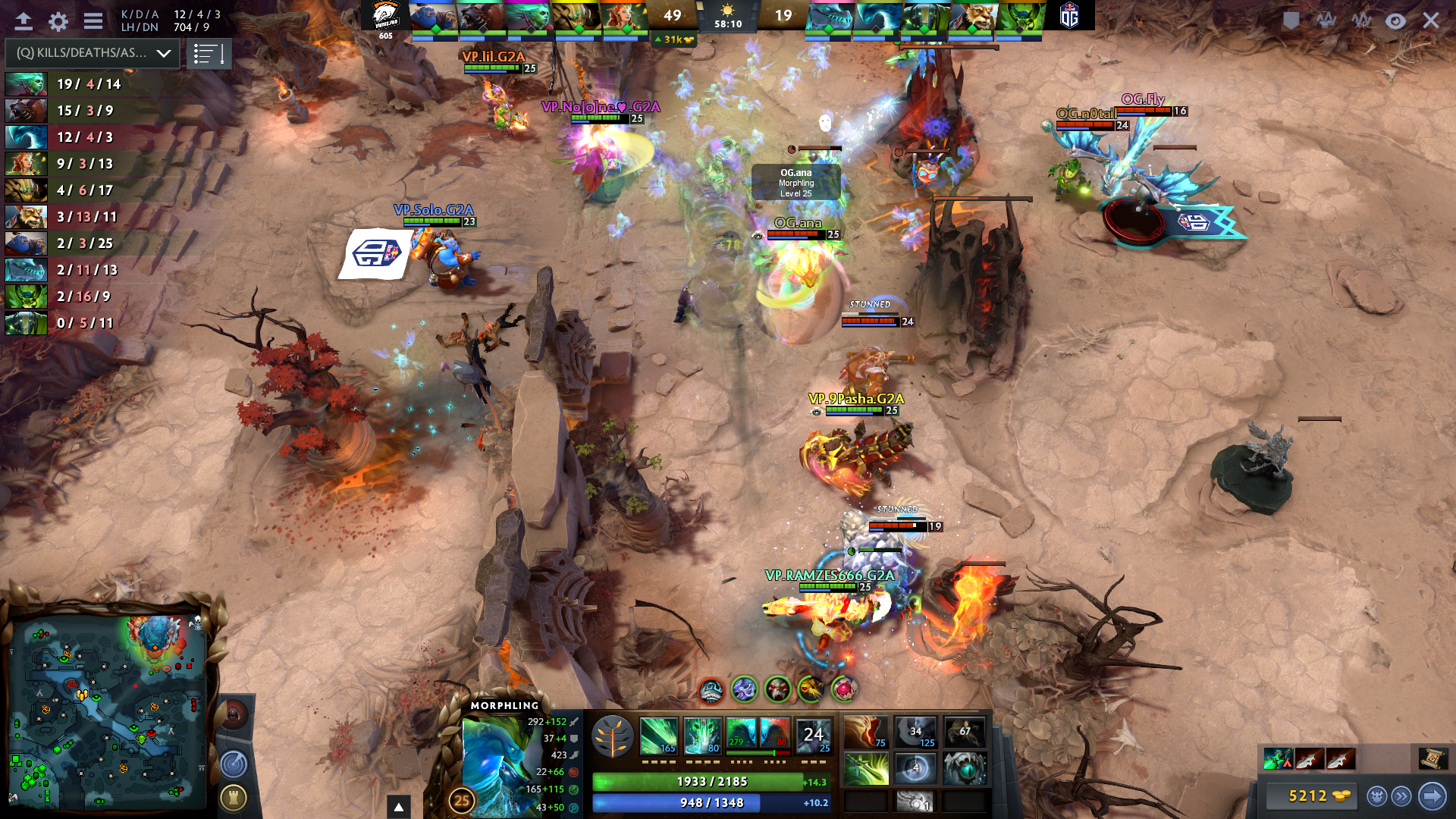
Game 2 was the ana show. Just like in Game 5 of VP vs OG at the Kiev Major, ana held the game together for his team, staying at the top of the networth board as Morphling throughout the game.
Caption: With ana as the sole damage dealer for OG, he soon found himself overwhelmed by VP’s trio. /Credit: Dota 2
Against VP’s midgame-centric draft, ana’s Morphling was in a race to outscale VP’s heroes. With both Ursa and Death Prophet, VP was committed to the mid game push strategy – which put VP on the clock.
What followed made TI7 history. For over 40 minutes, ana held OG’s fort together, dealing over 87.6k damage for his team. Repeatedly, VP heroes would try to siege the OG high ground only to take several quick casualties and be forced to retreat to preserve their advantage.
However, even though VP was still on a timer, there was a major difference compared to Kiev Major: they only had ana to worry about and thus managed to consistently outfarm OG.
This made all the difference in allowing VP to recover mentally from ana’s repeated defences as they ever only had to worry about one member from OG. VP’s victory here heralded one of the most dominant performances by a CIS team at any TI.
Notable battlepass predictions set during Game 2: Most deaths – N0tail: 20 deaths. Most kill total in a game – 88 and longest game ever: 60+ minutes.
Catch all the action at www.twitch.tv/dota2ti
Originally published on Spout360 (site now offline).
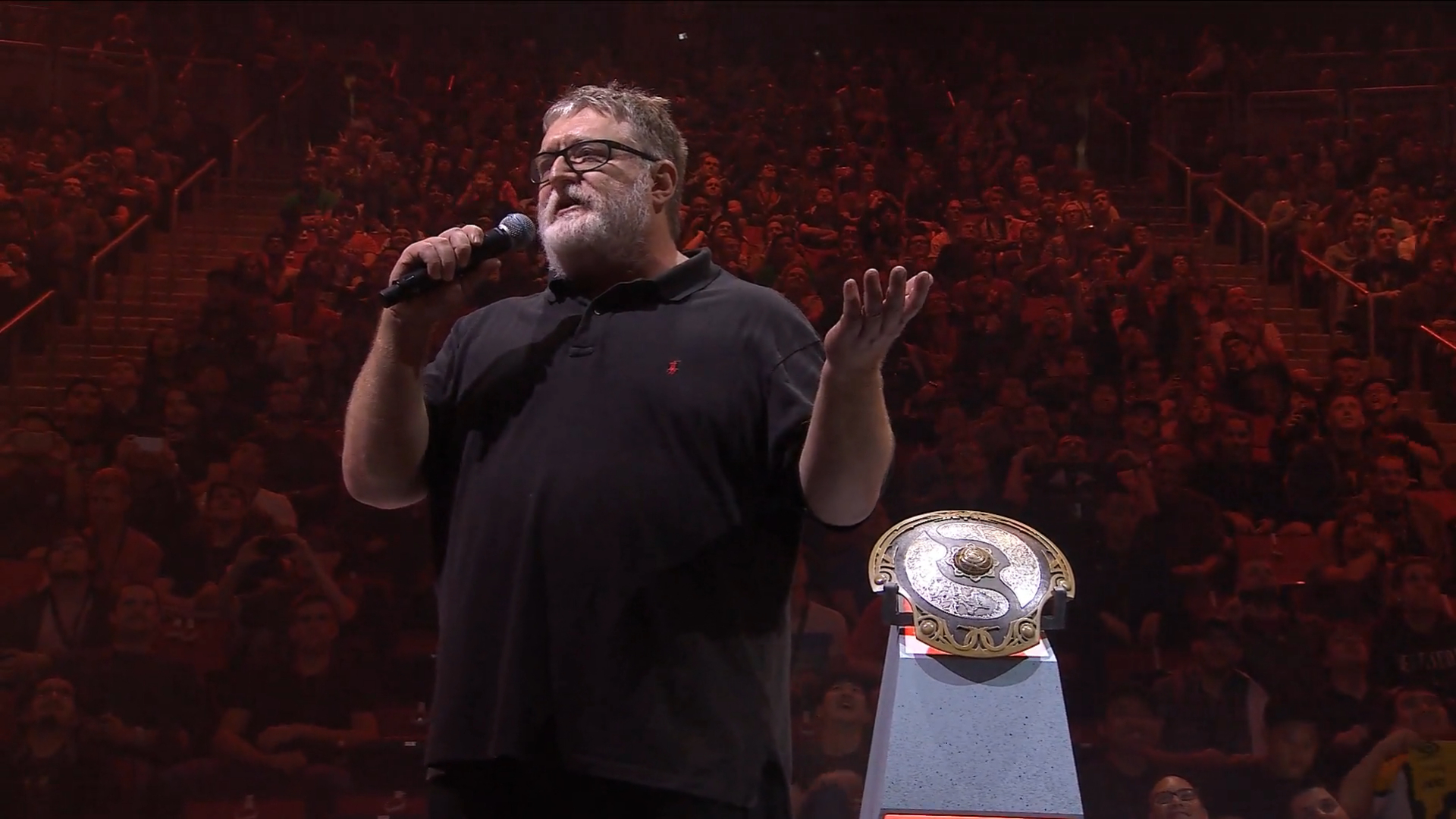
The Main Event for TI 2017 is about to kick off at 1am today, and Dota 2 fans all over the world is waiting for Gabe Newell to open the show by with his trademark, “Welcome to the International”.
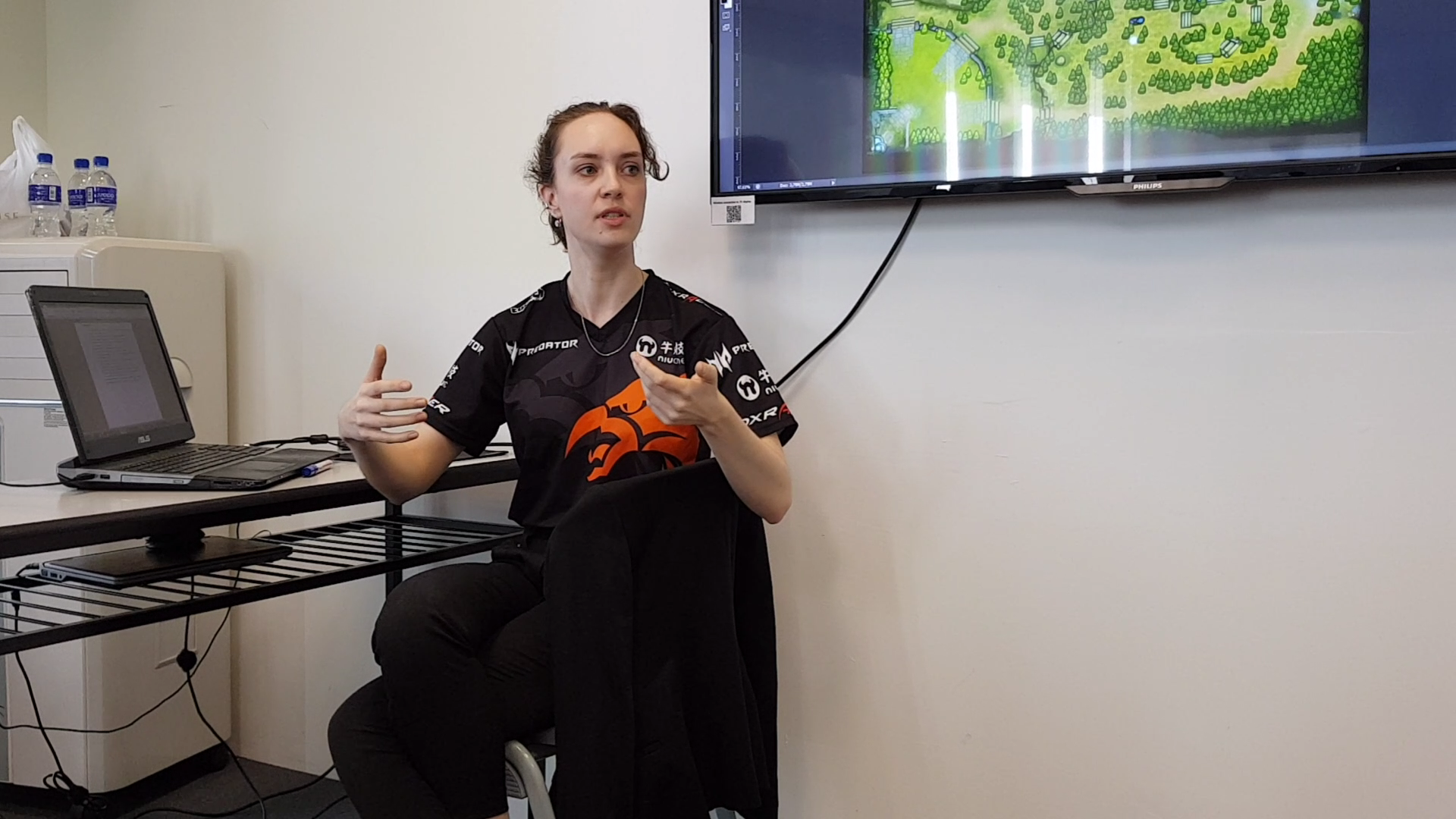
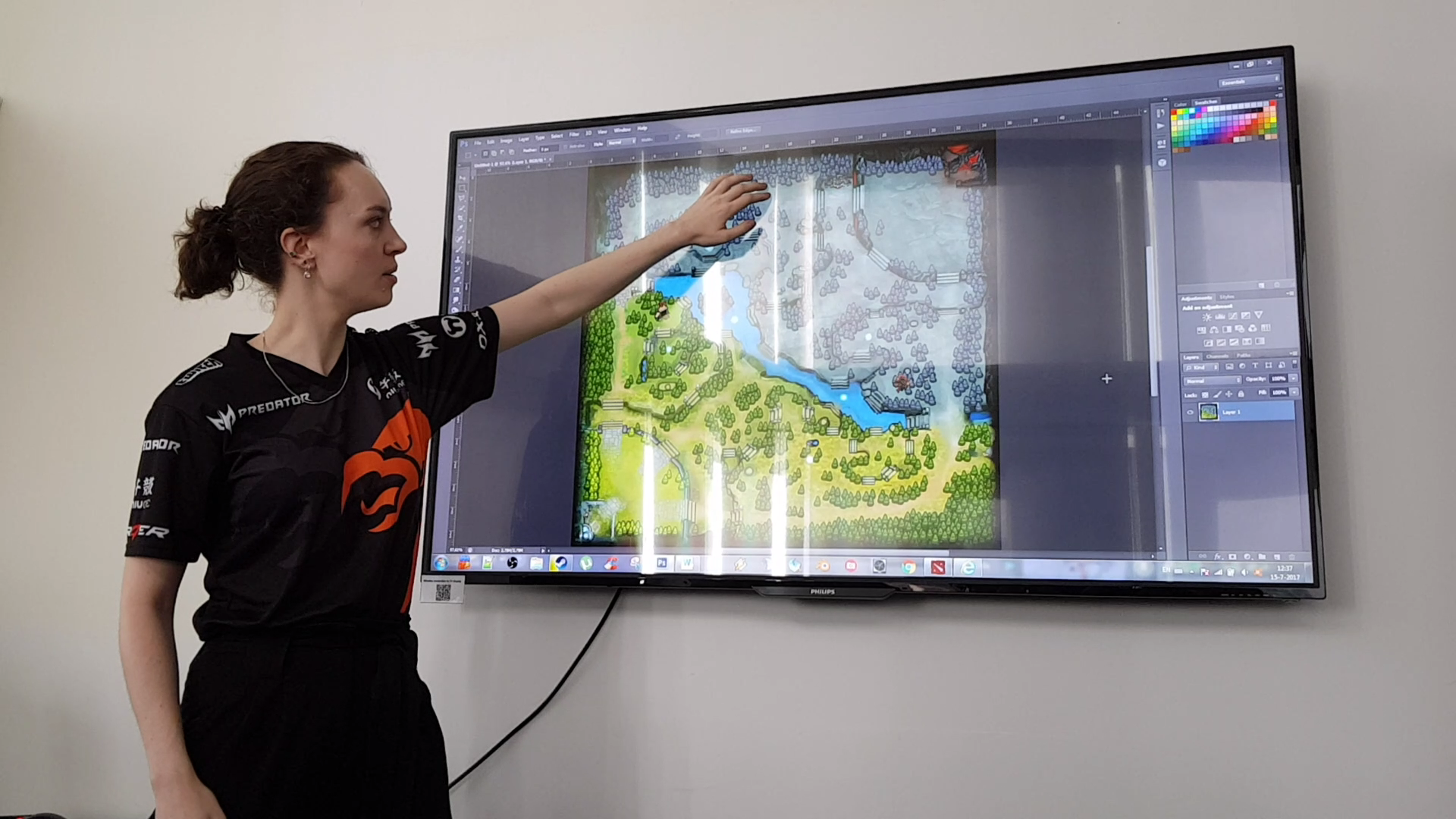
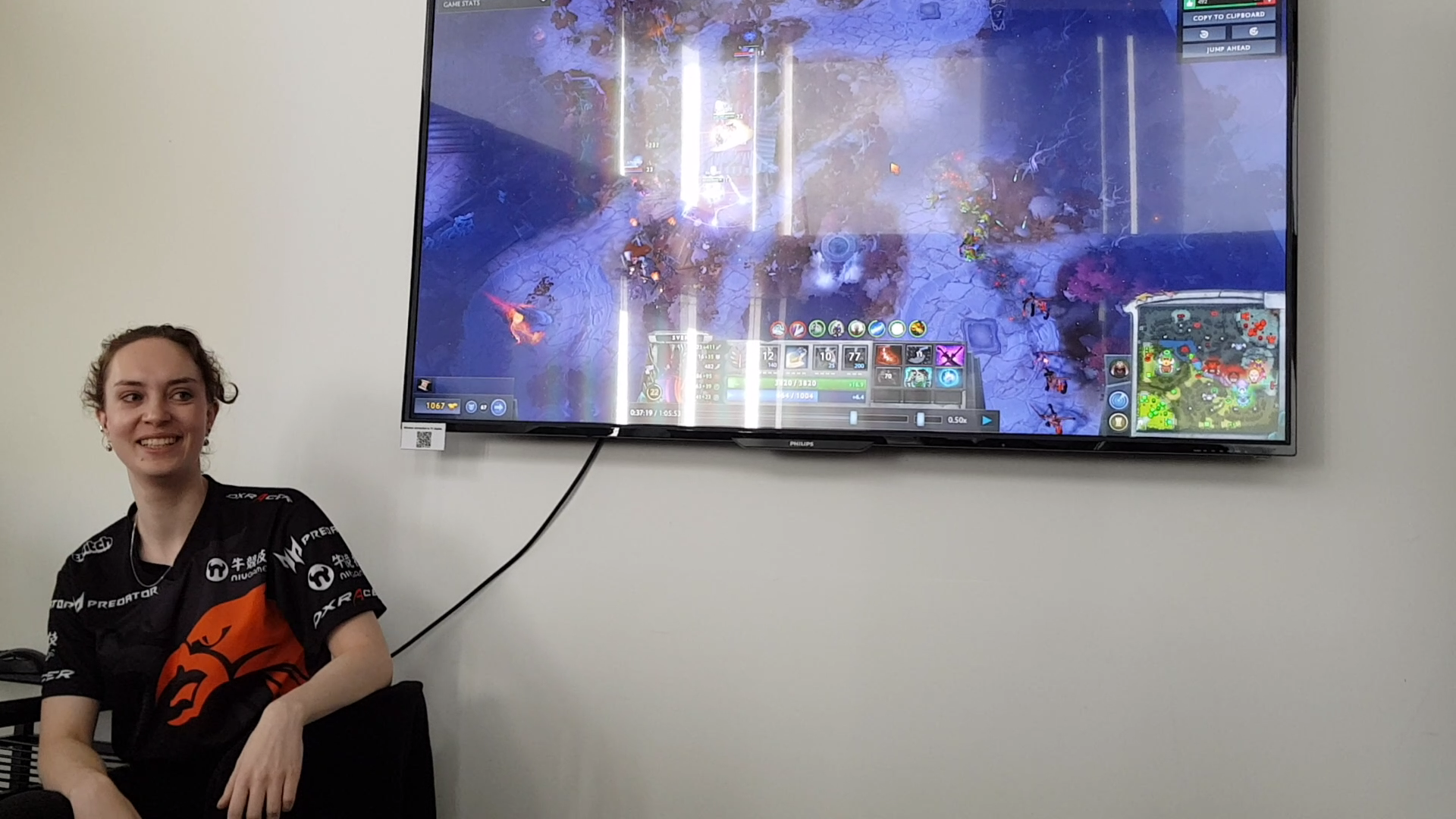
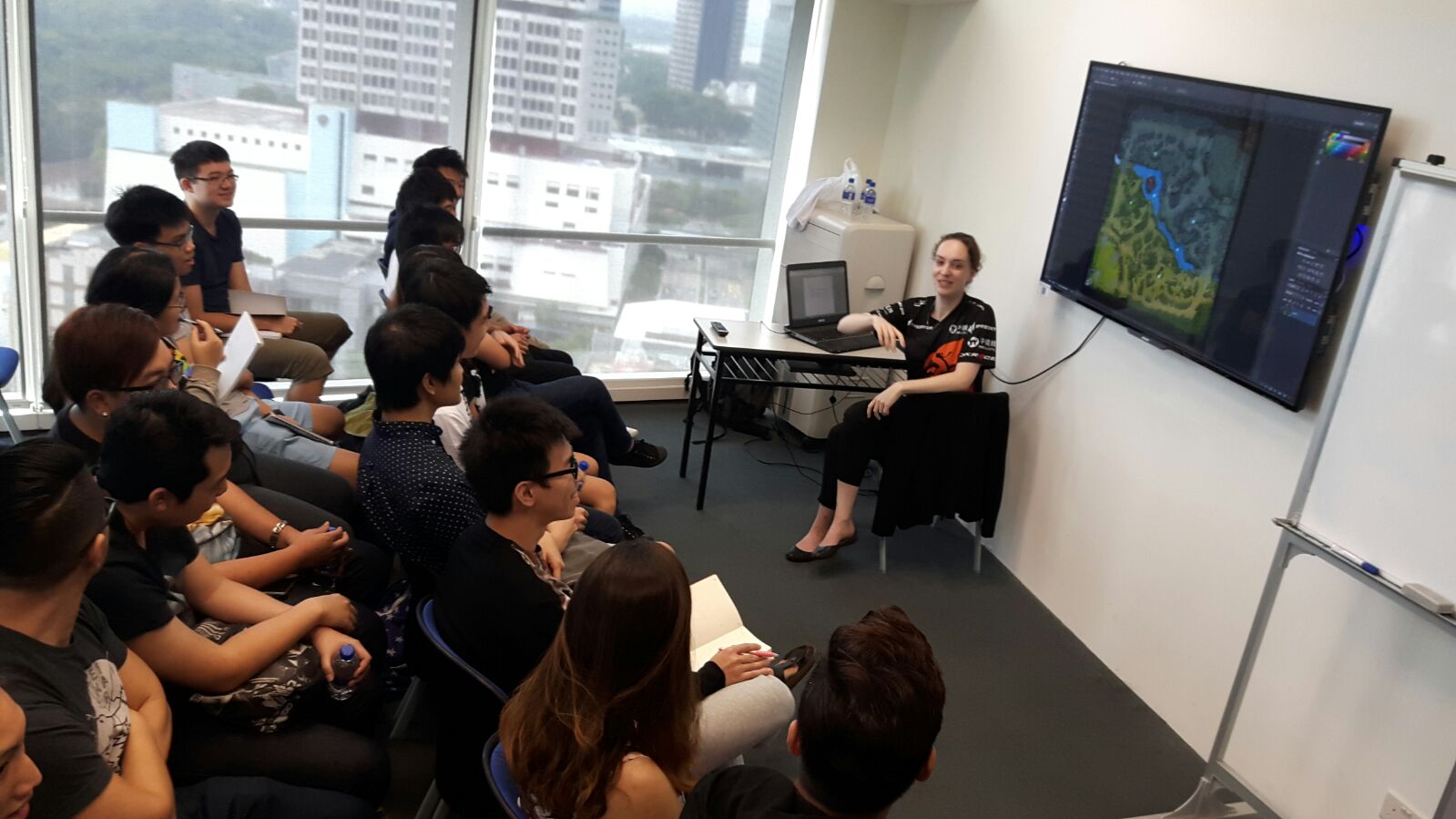
An amazing workshop by Muriëlle “Kips” Huisman last Saturday gave 30 lucky Singaporean Dota 2 players a glimpse into the professional Dota 2 scene. This is our exclusive report as an attendee.
Trust, communication and confidence. These 3 elements were constantly emphasized throughout the 2-hour workshop by TNC coach analyst Kipsul as she shared extensively about how she helped the teams she’s worked with to achieve their international wins.
Throughout the workshop, Kipsul held herself with a level of certainty and poise that showed confidence in her own ability to provide useful strategic insights for Dota 2. Her own reflection on her time as an analyst on Fnatic reveals why she acts this way:
“When Fnatic went up against DC in TI6 … I was sure [at the time] I missed something about DC … My uncertainty affected the team, and you could see it when they played those games”.
Far from blaming herself and drowning in self-pity, she quickly picked herself up once she recognised her mistake. Fnatic had just finished 4th at the largest Dota 2 tournament of 2016 (The International 2016), with Kips having a clear share of the glory.
Playing Dota 2 on the highest level: Strategy
You have to own your mistakes if you want to own your wins, she shares, emphasising that each player has a responsibility to own up to their errors actively rather than waiting for the blame to fall upon them.
This mindfulness keeps the trust strong in the team, giving more psychological space for the team to keep track of higher order thinking in Dota 2 – the strategy.
[Caption: Kips discussing micro mistakes with a TNC TI 2017 Qualifier replay / Credit: Freakofnatur]
Simply put, if you’re constantly focused on the micro errors, you’ll never have the time to correct the macro mistakes. Kips showed us several clips about obvious misplays from her team, emphasizing that mistakes happen, and that harping on the mistake or even bringing up the mistake to the teammate is utterly unnecessary. “You’re an asshole [if you do so]”, even.
This speaks of the level of trust and respect she has for the player’s mechanical skill when it comes to the game – there’s no need to correct obvious errors; instead just trusting the player to correct themselves. Knowing is half the battle, she acknowledges. Real change must happen and the mistake must not repeat itself.
Her ability to look past micro errors has also earned the respect from her own team – Kips is nowhere near as skilled at Dota 2 as the players she works with – but they value and believe in her stats and strategy all the same. This is echoed in her anecdote about Fnatic, as their trust in her strategy became a lack of confidence once she had showed her own uncertainty.
Understanding the game as a Team
Kips recalled a scenario in which TNC’s midlaner insisted on defending a tower when the team was already pushing another lane. The net result? The midlaner died, and TNC lost their advantage.
“Agree to disagree if you have to. Don’t just accept things”. Kips advised. The midlaner’s decision stemmed from his thinking that you should not trade towers with the opponent when your team is at an advantage.
[Caption: Kips discussing how a team’s playstyle manifests / Credit: Freakofnatur]
If at any time the team is not on the same page with what to do, the team’s game plan might just crumble. In fact, as Kips shared more and more about the incident, we learnt that there is no “right way” to play the game, but rather only how your teammates (and by extension the team) want to play the game.
Team synergy is extremely important for Dota 2 teams. It’s no secret that a team that communicates well, that has teammates that trust each other, and has full confidence in their gameplan will be a top contender.
We saw this when Wings Gaming took the centre stage throughout most of 2016. Their team was a shining example – 5 close friends who stuck close together against all odds. Maintaining this synergy is tough work, Kips reveals, as the balance is fragile.
A strong leader like Theeban ‘1437’ Siva, for example, will point out mistakes in a constructive manner, minimising any feelings of resentment from the player being singled out.
[Caption: Kips walking through decision making 101 between teammates. / Credit: Freakofnatur]
Balancing the relationship aspect between teammates is then the responsibility of the captain. As a coach, Kips can only advise the captain if a certain teammate is exhibiting problematic behaviour, leaving the captain to solve the issue.
This approach makes perfect sense: the 5 players are the people who are working together during the game – this means that they will have to accommodate each other in the game.
Having the same mindset towards the game will allow the team to work together as a unit – minimising situations where the team is clearly split between trying to complete two separate objectives and failing both.
Dealing with mistakes like a Pro
Surprisingly, pros deal with their micro mistakes with nonchalance. In a game as complex as Dota 2, mistakes are bound to happen, especially if unforeseen circumstances arise. Kips recalls many instances where victory was all but assured – only to be lost through a huge counter-play by the enemy team.
This is part and parcel of the game. Variance, in multiple forms, is built into Dota 2’s mechanics. Things like % chance to bash, rune spawns and even creep gold bounty all contribute to making each game unique through variance.
Move on from the small things, and concentrate on the big picture. Kips credits many comebacks to the loss of higher level thinking by the team who originally had an overwhelming advantage.
Picture this: after a big play by the opposing team, the receiving team would obsess over their micro mistakes and thus being unable to refocus on executing their high level strategy. The result? No more plan, no more confidence, no more victory.
This applies to many things too – small mistakes happen, just move on quickly and focus on the bigger picture – and if you’re unable to see the bigger picture, try to create an end goal to work towards!
Tracking Singapore’s Dota 2 Pioneers: Glory or Bust?
2017 so far is a year of pleasant surprises. This year welcomed Toh ‘xy-‘ Wai Hong back into professional Dota 2 under Team Faceless, reuniting with Daryl ‘iceiceice’ Koh Pei Xiang and Wong ‘NutZ’ Jeng Yih. Despite a rocky year so far, Galvin ‘Meracle’ Kang Jian Wen still managed to fight his way into The International 2017 regional qualifiers.
Overseas, we have Nicholas Kelvin ‘xFreedom’ lleto Lim and Benedict Lim ‘hyhy’ Han Yong continuing their CN Dota 2 crusade with White Fries Gaming. Let’s take a closer look at these Dota 2 Pioneers, young and old!
Toh ‘xy-‘ Wai Hong – Team Faceless
Xy’s return to the pro scene by joining Singaporean Dota 2 powerhouse Team Faceless was the most unexpected event for Singapore Dota 2. Observers and fans alike were speculating other, more established players once Daryl ‘iceiceice’ Koh Pei Xiang confirmed he was returning to Singapore to build a team.
Ultimately, xy was the best fit because of the philosophy behind Team Faceless: A team made of friends who are united by the same goal. Including Anucha ‘Jabz’ Jirawong, every Faceless player does not take a salary, but has all their expenses paid for out of iceiceice’s own pocket.
Previously, Team Faceless had revealed that iceiceice decided to forego sponsors to avoid having to commit to sponsorship agreements which might get in the way of team practice. While he was playing for DK, iceiceice blamed streaming contracts for pro teams as a root cause of why China’s Dota 2 was falling behind.
The lack of salaries also brings context to their constant use of the Singaporean colloquial joke: no wins means no food to eat. While Team Faceless is not result-oriented, a weak showing at The International 2017 (TI 2017) might result in a roster shuffle or disband.
xFreedom and hyhy – White Fries Gaming
Since the start of 2016, White Fries Gaming was a team that people wanted to watch. Going to China for the best chance at making a competitive team, both hyhy and xFreedom did not manage to qualify for any major international events this year.
The news of PatSoul joining the team also did little to hype up the team this year, and their most recent result was a loss in the group stages of the WCA 2017 Pro Qualifiers. White Fries Gaming was missing from the Chinese Qualifiers for The International 2017, and hyhy has yet to stream on this douyu.tv account since 2016.
Iceiceice, NutZ and Furryfish – Team Faceless
If there was a history book on the Singapore eSports scene, these 3 names would undoubtedly be recorded amongst the many people who have consistently worked hard in the scene.
Iceiceice returned to Singaporean soil both as a player and as the primary team sponsor for Team Faceless. Reprising his offlane role, iceiceice’s stability and deep hero pool is something Team Faceless constantly emulates.
Alongside teammates Dominik ‘Black^’ Reitmeier and xy, iceiceice plays heroes like Bristleback, Lina and Invoker across multiple lanes, a mark of Faceless’s versatility in terms of drafting and hero specialisation.
Faceless position 5, NutZ, is a scene veteran who is commonly known for achieving 8th place at TI 2015 with Korean Dota 2 team MVP. Since then, NutZ has been playing and supporting local esports by organising Dota 2 tournaments and competing in locally-made esports titles such as Endgods.
Fun fact: although NutZ has said he and iceiceice have been friends for little over 10 years now, Faceless is the first time they are playing on the same team.
We also saw Tammy ‘Furryfish’ Tang’s return to the Dota 2 pro scene as an advisor and longtime friend to Team Faceless, often accompanying the team overseas as their manager.
She currently works as the Twitch.tv Asia-Pacific (APAC) event manager. In the context of Dota 2, this means she organises twitch afterparties for any competitive events they support in APAC.
Galvin ‘Meracle’ Kang Jian Wen – Mineski, Fnatic, and Moogle
If you followed Meracle’s journey, you would know how unforgiving and how quickly the esports scene in SEA moves. Since 2016, Singapore’s up and coming Dota 2 star looked to have an extremely promising year ahead, having joined Team Mineski since September 2016 after leaving National Service.
Unfortunately, as Mineski soon underwent a period of restructuring, the lack of solid results meant that Meracle’s Mineski roster was dissolved to focus resources on supporting Mushi’s new team.
Even so, Meracle quickly managed to find a new team in Fnatic, proving that his value as a player was recognised at large by Tier 1 SEA pro teams. The new Fnatic roster was quickly met with the reality of the SEA scene as they were constantly beaten by the older and more cohesive teams.
Once again, Meracle’s roster did not produce the results they needed to quickly enough, and he became a sub for Fnatic at around mid May 2017. This, thankfully, is not how the story ends.
In June 2017, Meracle got back together with his old Dota 2 teammates Teo ‘Kai’ Kai Sheng, Paul ‘hana’ Tan and Wilson ‘poloson’ Koh Chin from First Departure and Joel ‘Chibix’ Chan from Scythe.SG, another legendary Singaporean Dota 2 team. They are currently vying for a chance to participate in the TI 2017 main event as a SEA qualifier team, which ends on 27th June 2017.
At the Kiev Major we saw a lot of amazing Dota 2, but there were certain games that had storylines that made them special. Here are the top 5 games you must catch and the stories behind them.
#5: Team Secret’s Return to The International Stage
Coming hot off their win at DAC 2017 by sweeping OG 3-0, this game was supposed to be the continuation of iG’s dominating performance. Team Secret, on the other hand, was still unproven without any major international wins on the board in 2017.
Even with an unorthodox draft from both sides, iG was still very much favoured to win.
Team Secret dominated the entire game with Yeik ‘MidOne’ Nai Zheng’s Templar Assassin. We saw iG try to utilize the Mask of Madness Sven – which was the meta carry in China – but their game plan crumbled against Team Secret’s strategy.
The SEA-infused Team Secret played an aggressive, fast-paced style of Dota 2 which was exciting to watch. They played with early gank timings and strong early game supports to snowball their games to victory. This contrasted with the mid-game oriented Team Secret back at the Shanghai Major, which often relied on having highly farmed cores to win the game.
After the series, it seemed like Team Secret was the big team to beat alongside VP, and unexpectedly, iG fell to the wayside.
#4: TN(SEA) Makes an International Statement
Even though TNC looked strong in South East Asia (SEA), there were still doubts about their competitiveness. Faceless, who often acted as the gatekeeper for SEA teams in qualifiers, had lacklustre performances on the international stage.
Even with Kips coaching the team, TNC was still unproven. Their games against EG, however, dispelled all doubts.
TNC’s dominant 2-0 win surprised the international audience, and their subsequent win over Thunderbirds (second place winner at The International 2016) solidified their status as a competitor on the international stage.
TNC’s repeated successes showed that SEA’s Dota 2 scene has the capacity to produce internationally-competitive teams. Compared to when SEA talents were joining teams overseas to compete and become more competitive, the SEA Dota 2 scene has since advanced by leaps and bounds to get to this stage.
#3: The Virtus.Plow Unleashed
Even though commentators were hyping Virtus.Pro (VP) up and were saying how dominant VP were on the CIS Dota 2 scene, they had yet to produce any championship wins on the international stage.
One thing to note from VP: The roster has been together since August 2016. This shows in their excellent teamfight co-ordination, reminiscent of Wings Gaming in their The International 2016 win.
Virtus Pro were comically dubbed as the “village killers” (the Chinese Dota 2 scene referred to Chinese Teams as a village that bands together against international competitors) by some commentators in the Chinese Dota 2 scene. VP had eliminated 3 chinese teams to get into the Grand Finals, only missing Newbee.
VP’s close series against OG in the Grand Finals showed that VP only lacked one thing to become international champions: experience.
#2: OG Does It Again… For the Fourth Time
Although OG were the defending champions, everyone’s eyes were on iG who were fresh off their win at DAC 2017, beating OG 3-0. Dota 2 might be a fickle game at times, but the playing field at the highest levels is so close that anyone could win.There are, however, teams that were nemesis to each other. We saw this when Faceless took out TNC, and when VP took out the Chinese teams who were unable to deal with VP’s gameplay around Ursa.OG’s path to the Grand Finals was relatively smoother compared to VP after they knocked out Team Random, as even their other potential matchups (TNC, SG e-sports) were favoured to them.
Despite the circumstances, OG’s victory is a testament to their consistency. Having extremely experienced players enables this, especially in a game where confidence is the key to the team’s gameplay and drafting.
OG’s story in the grand finals was one of confidence and calm under heavy pressure. In Games 1 and 5, a few mistakes made by VP resulted in OG pouncing on the opportunity, getting ahead, and never looking back.
#1: Dreams Do Come True After All – SG e-sports
The Brazilian team qualified to the event through the first-ever dedicated South American qualifiers for a Valve Event. During the group stages, they showed excellent teamfight co-ordination but eventually lost out in terms of overall game strategy and map movement.
The inexperienced team finished as the final seed at the end of the group stages. Their opponents, Team Secret, were expected to steamroll them and be done with it.
In game 1, we saw MidOne run roughshod all over SG e-sports with his Ember Spirit. Making one outplay after another, it seemed as it SG-esports were simply outclassed by Team Secret.
In games 2 and 3, Team Secret’s greed was their undoing. SG e-sports played aggressively throughout games 2 and 3, punishing Team Secret in early game teamfights and taking objective after objective. After SG e-sports was done, everyone agreed that giving SA, a lesser-known region, a dedicated qualifier was the right move.
SG e-sports’ win also sparked doubts over how the single-elimination brackets were set up and played out. Secret’s immediate elimination effectively made their great group stage performance a moot point, which was far too unforgiving.
This trend of giving weaker regions their own qualifiers works well to grow their respective scenes. Since South East Asia joined the ranks of America and Europe in having regional qualifiers for Premium Dota 2 Tournaments, we have been seeing more and more pro teams and even team houses rise to grasp the opportunities.
SG e-sports proved there are unfound talents waiting for a golden opportunity to be given to them. In SEA, we do have one such team on the rise: Clutch Gamers. Having already qualified for 3 LAN events against SEA’s finest (including TNC, Faceless, Fnatic and Mineski), all that’s left to see is their performance on the international stage!
At the Kiev Major, when Virtus Pro(VP) lost game after game against OG despite being ahead in every regard, you could see that what it took for a team to win was much more than just what happens during the game.
For any strong team to exist, there must be proportionate passion and compromises made from each player to fit each other’s strengths and weaknesses. This “fit” is important and will be tested when it comes to championship day: either your team makes it, or breaks it.
Virtus Pro undoubtedly came in as the stronger team. They beat almost every team 2:0, only dropping 2 games: against VG.J and Team Random. They were on home soil, and everything seemed like it was going right for them. Even in the first game, they picked off OG’s heroes with ease, killing Anathan ‘ana’ Pham and Johan ‘N0tail’ Sundstein an alarming number of times in the early to mid game.
Despite multiple setbacks, OG still managed to mount a comeback in game 1. Before OG even tooking a single lane of rax, Virtus Pro to called the gg. Why?
[Image: WhyOGWin_score][Caption: What OG’s massive comeback in game 1 looked like. /Credit: PGL]
Mental Fortitude
Some might call it stubbornness, or even belief, but really, Game 1 was a perfect showcase of OG’s mental fortitude in two ways: following their game plan and actively adapting to their opponent’s aggression.
Despite the multiple pickoffs, OG knew they had a clear strategic advantage in every teamfight and played to that advantage. Whenever an OG hero was picked off, the team would immediately go into retreat mode to wait for the next teamfight – with extremely mobile supports and long duration disables, this was easy for them.
They had clear objectives in mind when approaching teamfights – poke VP until pasha committed his Reverse Polarity from Magnus. With N0tail’s Terrorblade Sunder and ana’s suite of Invoker spells, playing the long team fight was easy for OG – and excruciatingly difficult for VP. This allowed OG’s players to maintain their mental discipline and it reflected in their steady progress towards victory in game 1.
[Image:WhyOGwin_pasha][Caption: Pavel ‘9pasha’ Khvastunow showing clear signs of stress and disappointment despite a great play. / Credit: PGL]
VP’s play for game 1 was extremely taxing for their players as they had to constantly outplay their opponents in fights and probably caused their mental fortitude to break down. In my experience spectating competitive games and having spoken to several pro players and MMR grinders, one thing across these competitive players is consistent: they never stop thinking of ways they can win.
The long, drawn out teamfights that VP had around objectives eventually caused pasha to make a crucial mental misstep, – perhaps due to impatience or just overconfidence – utterly wasting an RP trying to catch out an OG hero. On a strategic level, pasha’s RP was much more effective as a threat rather than when it was being used, and the loss of their most important teamfighting tool meant that VP was already playing from behind.
In my opinion, the proceeding teamfight showcased VP’s poor strategic sense and general mental weariness when they forced the engagement in spite of their only teamfight tool being lost. Note that at this point they were 17k net worth and 21k experience ahead, which might have contributed to the fatal “go”:
In this game-winning teamfight for OG, VP needed to commit everyone to stop the egg from hatching. However, Solo had failed to respond to his team’s commitment to the strategy. He did not cancel upheaval to stop Fly’s egg, defaulting to their previous, strategical decision to continually channel Upheaval to break up OG’s teamfight.
Thinking actively at every moment of the game is extremely important in Dota 2, especially when considering victory or defeat is decided in split-second decisions. In game 1, VP’s solo did not adapt to the teamfight when he had to – and cost VP the game.
Trust
It is hard to build personal relationships in a business setting. Traditionally, the idea of work is separate from leisure, which is when most of our personal relationships are built. If there’s something OG did right with their team culture, it’s to establish the team as a family.
Like Fly said in the Kiev Major winner’s interview: “Everything – its connected – that’s what makes it work, that’s how you make the dream work…”
As a family, the player’s perspective has changed from obsessing over the results to focusing on themselves. Dota 2 is all about the gameplay, and if the player, at any time, loses focus of the game, their gameplay will suffer as a result. We see this from previous The International (TI) winners: once the team had achieved their goal (their result), they lost focus and as a result, their competitiveness.
Wings Gaming had the razor-sharp focus to bring the win home at The International 6. Incidentally, they were also a close-knit group of friends who never wanted to let each other down. However, after the win, their health problems started to surface, a sign that they did not have a balanced training programme which looked after their personal well-being.
[Image: WhyOGwin_interview][Caption: Fly (middle) and ana (right) at the Kiev Major winner’s interview with Sheever (left)/Credit: PGL]
That is why OG’s idea of family is essential to their formula for consistent success. At its most basic, the family is supposed to care for and support both the well-being and the aspirations of its members – which makes it an elegant solution to what a winning Dota 2 team needs: the support to train and view Dota 2 as the “work” and the support to also have a balanced “leisure” life to counter the work.
[Image:WhyOGwin_notailtwitter][Caption: From N0tail’s twitter./Credit: @OG_BDN0tail]
With this support also comes trust when personal relationships are built with the leisure time they spend with each other. With the current version of OG, I believe they trust teach other both professionally and personally, which makes them such a strong team both inside and outside of the game.
This trust is extremely hard to come by when money becomes the focus of teams or if unsympathetic sponsors over-exploit the team to push products. With this balance, we hope that OG will be able to prove themselves yet again at The International, and the next one after that as well!
As reported earlier, Mineski has confirmed a new cross-regional Southeast Asian DOTA 2 team with Chai ‘Mushi’ Yee Fung as captain. This is considered one of the biggest moves since Team Faceless pulled off a similar shift.
Here’s the full roster of the new Mineski:
Chai ‘Mushi’ Yee Fung – Mid
Lee ‘Kyxy’ Kong Yang – Carry
Ryan ‘raging_potato’ Jay Qui – Offlane
Michael ‘ninjaboogie’ Ross Jr. – Farming Support
Nico ‘eyyou’ Barcelon – Hard Support
Here are our thoughts about the team’s formation and what they will need to do in order to be ready for international competition!
#1: Prep Up For The International 2017
With just 5 months shy of The International 2017 (TI 2017), this team will most likely be aiming to stick together for the biggest Dota 2 tournament of the year. These 5 months will be crucial for Mineski’s players to find their place in the team and to work out any communication issues.
At the time of writing, Mineski has yet to post any significant wins over their SEA counterparts. This is mostly due to the lack of tournaments as they have only recently formed.
Their training focus will most likely take cue from Faceless, who qualified for the Boston Major earlier this year as SEA’s representative but bombed out without winning a single game against international competition. Daryl ‘Iceiceice’ Koh Pei Xiang’s tweet says it all:
100% sea win rate, 100% major lose rate!
— iceiceice (@iceiceicedota) December 8, 2016
Faceless had formed on September, only 2 months prior to the event. Compared to the new Mineski, they also had a relatively green player, Anucha ‘Jabz’ Jirawong (ex-Signature.Trust), who underperformed at the Boston Major. With enough time and given that the entirety of the new Mineski is formed out of players who had qualified for international tournaments in their own teams, it is likely that they will outperform Faceless’s Boston Major performance by the time TI 2017 hits.
#2: Go For An ‘Organised’ Approach
Mushi’s a veteran of working with organisations, and there is an important distinction between organisations and player-owned teams. Take Team Faceless for example. Unlike iceiceice who set up his own team house out of his pocket, Mushi’s partnership with Mineski places him as more of an advisor.
If iceiceice is a founder, then Mushi is a CEO. His actions will ultimately only affect the DOTA 2 team under the Mineski brand, and will not influence any of the other decisions that the brand makes as a whole.
Iceiceice, on the other hand, has control over the Faceless brand and uses a skin-in-the-game approach by using his previous winnings and future winnings as a fund for his team. Although Faceless is now working with brands to bring in sponsorships, this difference is important as Mushi’s Mineski could one day fall apart because of reasons outside of his control as a captain.
The signing of contracts publicly by Mushi and Mineski’s CEO was not just for publicity – it was to ensure that sponsors and other stakeholders knew what Mineski represented. Stuff like amenities and support staff might similarly be out of Mushi’s control since he isn’t spending out of his pocket, as far as I know.
Comparatively, a player-owned organisation can hire and invite people in as they require. Chan “WinteR” Litt Binn’s coaching of Faceless is one such example, and the unique way iceiceice got his midlaner (through twitter) might not have flown if he was working under a brand.
looking for position 2 player! sea region! pm me if interested
— iceiceice (@iceiceicedota) August 23, 2016
pm your steam account and at least 7k and above please!
— iceiceice (@iceiceicedota) August 23, 2016
#3: Work On Performance & Synergy
This is where the 5 months comes in. Under Mushi, Mineski definitely has to post some results to show that they can work together. Thankfully, most of the current roster has worked with Mushi before — one especially important exchange was between Mushi and eyyou over Fnatic’s ‘True Sight” (A DOTA 2 documentary on pro teams) episode:
It’s actually our bad that we still looked on mushi as an idol not teammate when we’re playing. As you can see guys on…
Posted by Nico Barcelon on Monday, 5 December 2016
Communication is a huge part of DOTA 2 and the current defending champions of The International, Wings Gaming, has shown what a well-bonded team can do — pretty much anything and still win. If TI 2016’s Fnatic was any indicator, Mushi should be able to bring this new Mineski to a decent standing at The International 2017.
Most of the DOTA 2 documentaries from Valve bring up the team aspect of the game. Across many pro DOTA 2 teams, OG has been a best example of a team that is consistent with each player’s contribution, with their three-time major winnings as proof of that. Team captain, Tal “Fly” Aizik said this in an interview that stands out in particular:
“I still aim for stability; that hasn’t changed. There are definitely good things about having a new line-up – a fresh look on the game, different perspectives and renewed passion. Familiarity with my new team-mates makes me feel more confident about how we will develop as a team, not just in how we play but how we are as people.”
OG has always been about defining their own playstyle according to their player’s strengths (which gives them internal consistency), which is why they had previously played around their prodigy, Amer ‘Miracle-’ Al-Barkawi. Now, with the change up of their members, their playstyle has changed. Gustav ‘s4’ Magnusson is making space as a mid like he did back in Alliance, while Johan ‘N0tail’ Sundstein is now farming much more greedily on his carries.
Although Mushi’s team is new, it doesn’t mean that everything’s gone out of the window. Rather, whatever things that Mushi has experienced with his current teammates (especially with kYxY and eyyou) will come back to both help and to challenge them as a team. I’m hoping that this cross-regional team can work well together and represent SEA in a huge way at Ti 2017!
If you like what you saw, you can always leave some words of encouragement at my page or tweet @Freakofnaytur!
Singtel and Ericsson’s live pre-5G test (up to 275 Mbps) and five things about 5G — 1 Gbps peak speed, Singtel among the world’s first, no new phone needed, StarHub/Huawei, and the Internet of Things.